
Latest article
Effort levels: how hard each run of the week should feel
Easy, steady, hard. Every run in your week has a job, and the effort you bring decides whether it does that job. Here is one simple scale for all of them.
Training · 25 October 2026 · 6 min read
Read moreAll articles
Effort levels: how hard each run of the week should feel
Easy, steady, hard. Every run in your week has a job, and the effort you bring decides whether it does that job. Here is one simple scale for all of them.

Tired, overtrained or burnt out?
Feeling flat is not always the same problem. Here is how to tell normal tiredness from something that needs real rest, and what to do about each.

What to say to yourself when it gets hard
Every run has a moment when your head wants to stop before your legs do. A few short, ready-made words help you get through it.

Training around work, family and Amman traffic
You do not need a perfect week to make progress. Here is how to build a running week that survives work, exams, family and the drive to the track.
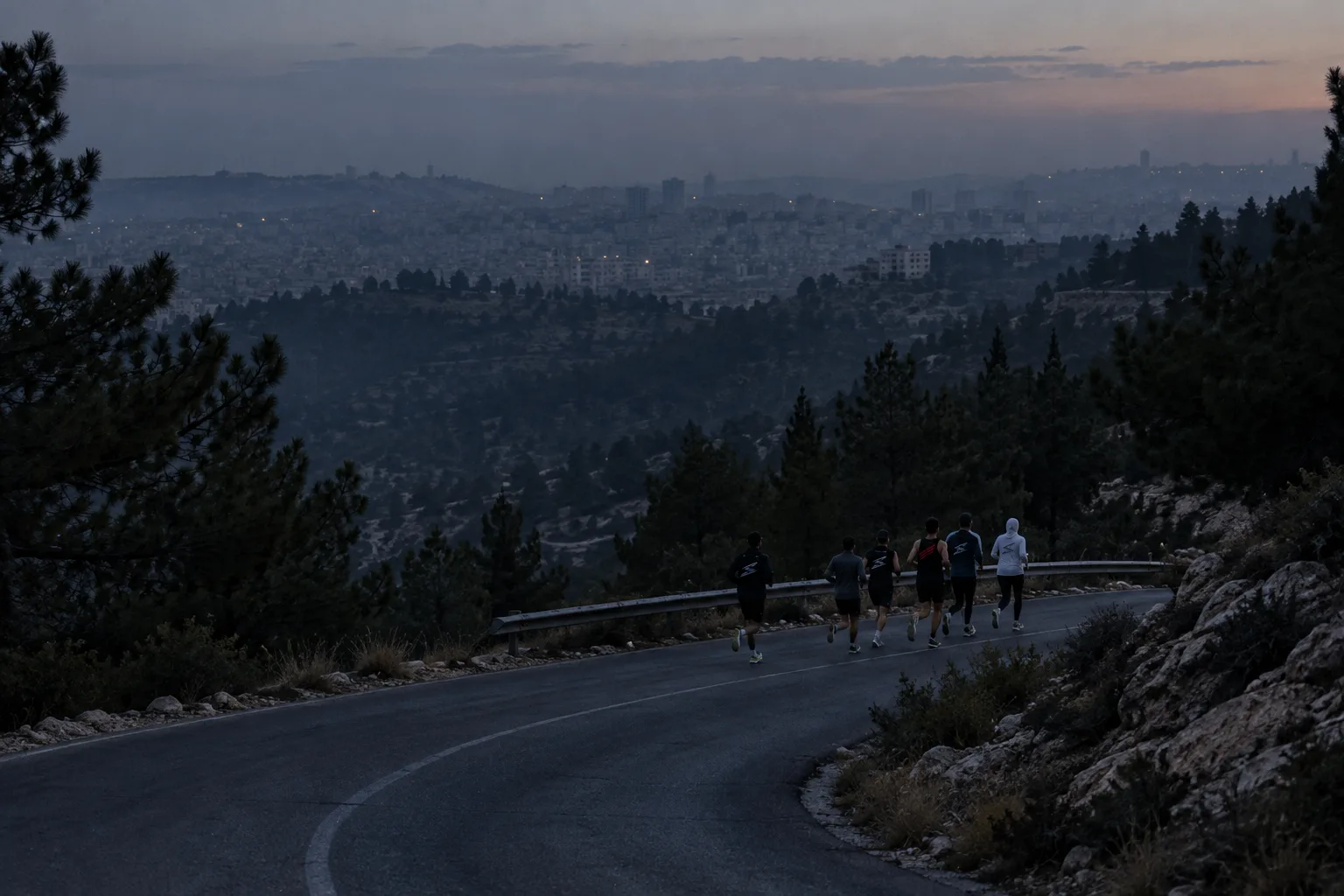
The Saturday long run, start to finish
The night before, the morning, the hills, the food you carry and the hours after. How to get through a long run on the Dabouq hills and enjoy it.

Picking a running goal you'll actually keep
A good goal fits your weeks, gives you a date to aim at, and survives a bad month. Here is how to choose one and stick with it.
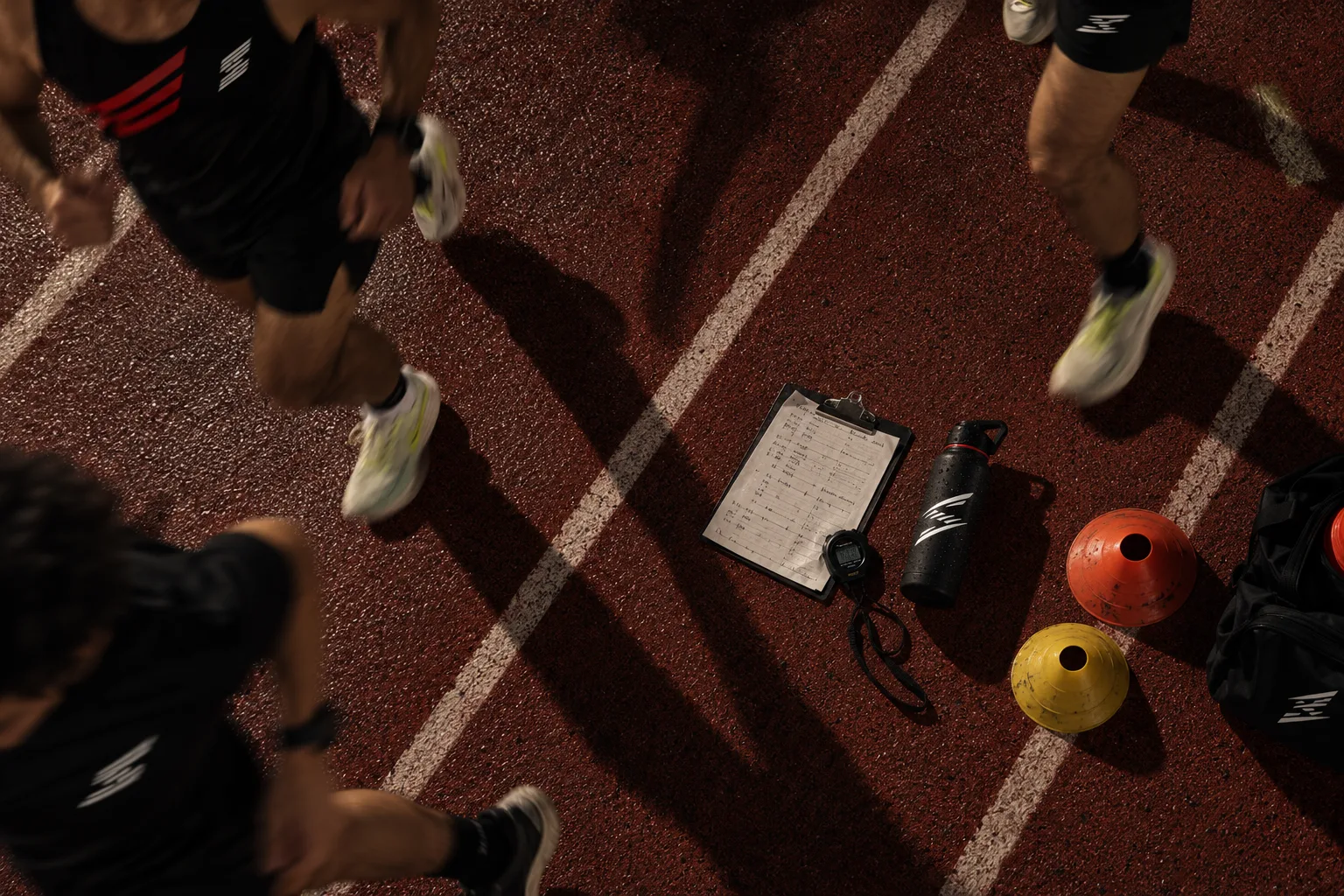
25 running words, explained
Pace, cadence, tempo, taper and more. A plain glossary of the words you will hear at the track, with the Arabic for each.
Why your pace stopped improving
A plateau is normal and usually fixable. Look at easy pace, variety, recovery and patience before you panic.

How to run Amman's hills without blowing up
Hills cost more than flat ground. Run them by effort, shorten your stride, and treat the downhills with respect.

Run-walk is real running
Walking breaks do not mean you are failing. They are a proven way to run further, recover better and enjoy it more.

Why most of your running should feel easy
Easy running is not wasted running. It is what lets you train week after week without breaking down.

How often should you run?
For most runners the answer is three to four times a week. Here is how to split it between the club and your own legs.

How to keep running through Ramadan
Fewer, easier runs, timed around iftar and suhoor. A respectful guide to maintaining your fitness while you fast.
Coming back to running after a break
A break does not erase what you built. Return gently, rejoin the club at the easy end, and let the fitness come back before the pace.
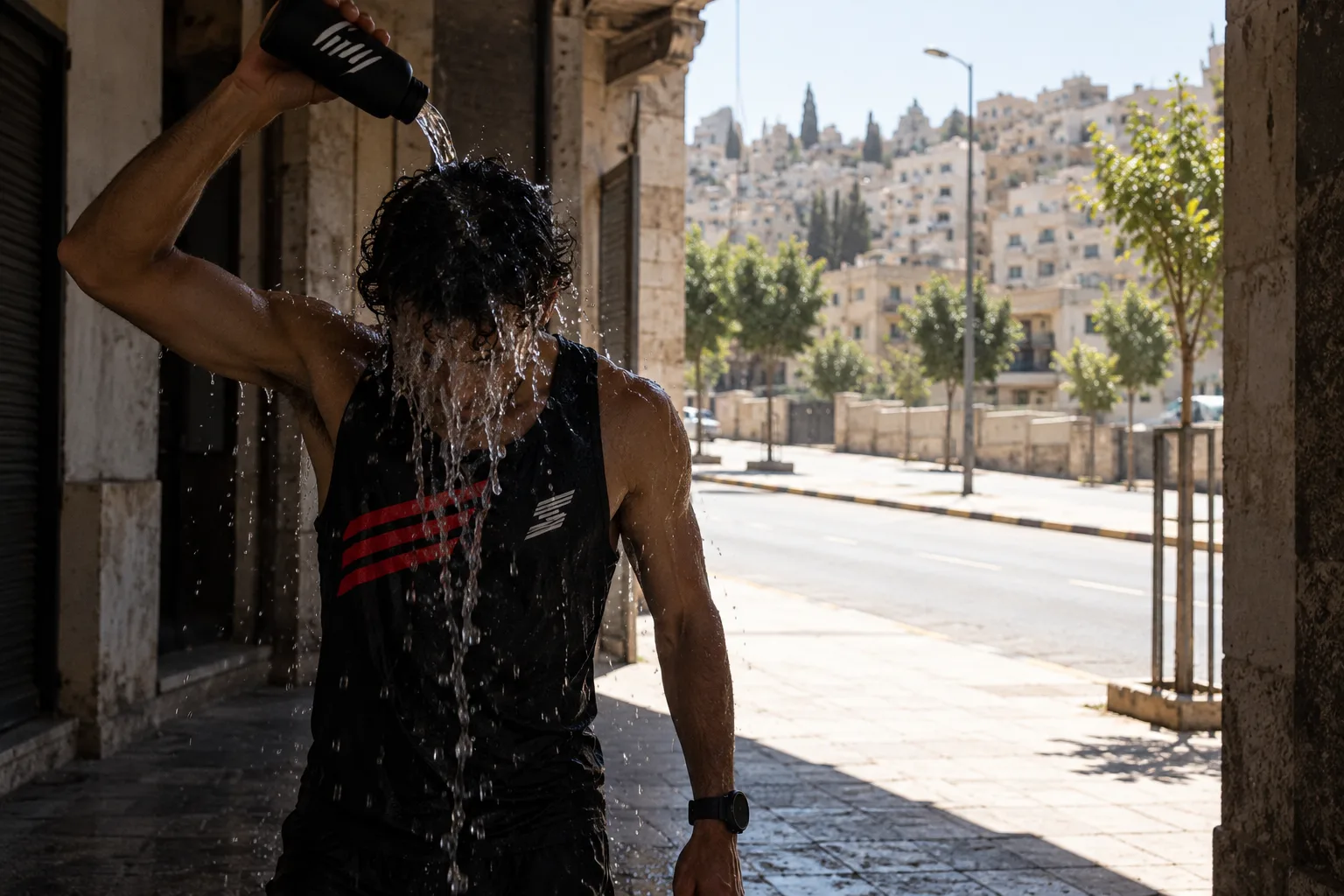
Running through an Amman summer
Heat raises the effort of every run. Shift your times, slow down by feel, drink early, and know when to stop.

Heart-rate zones without the jargon
Zones are just a way to measure effort. Find your range, keep most runs easy, and treat the numbers as a guide, not a rule.

Intervals: what they are and how we run them
Hard efforts with easy breaks in between. Here is what an interval session is, how hard to run it, and how to start.

Recovering after a race
Walk, eat, drink and sleep first. Then take easy days before you think about the next goal.

Tempo runs explained
A tempo run is steady running at a comfortably hard effort. Here is how it feels, how long to do it and where it fits.
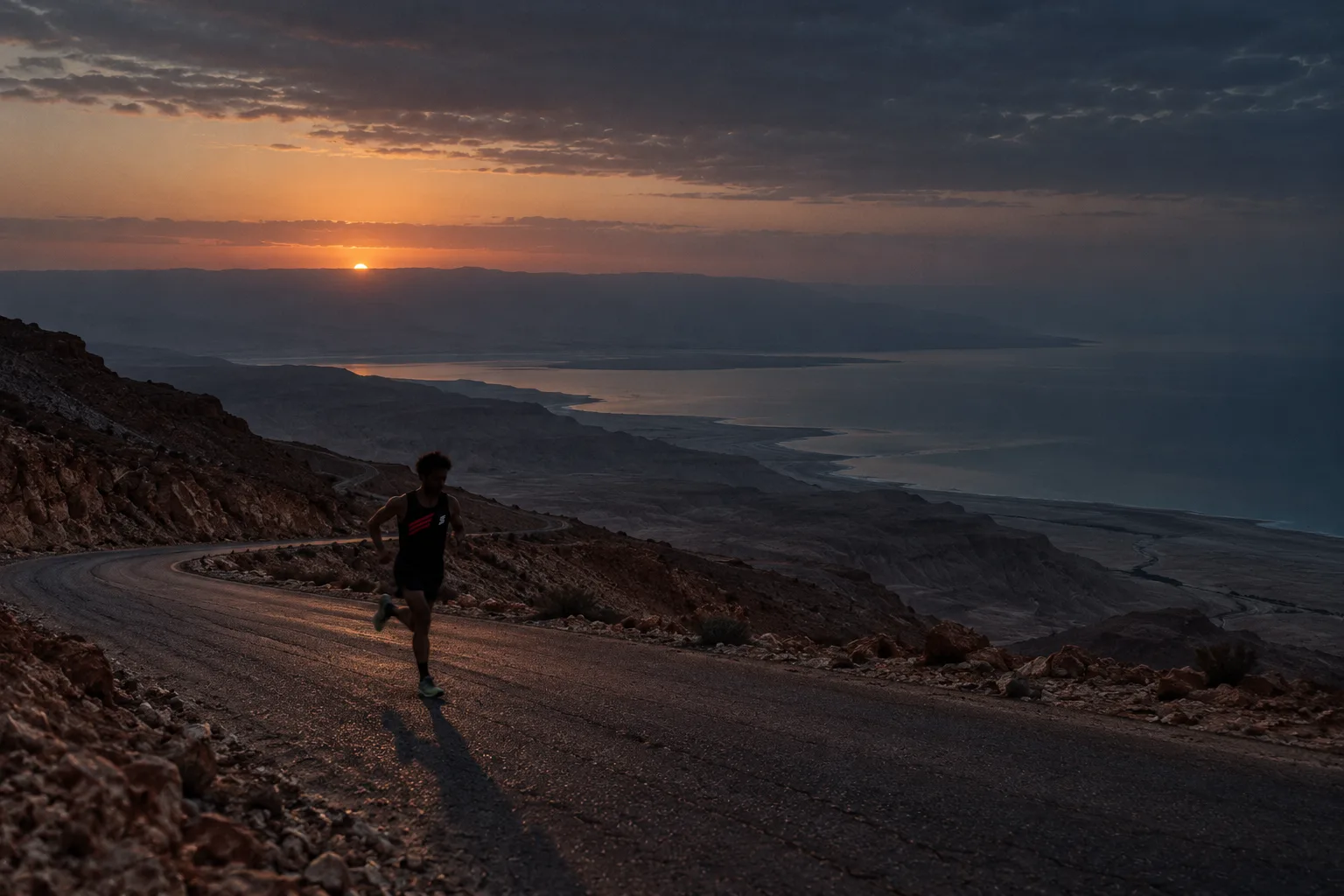
Training for a relay ultra like Red to Dead
A relay ultra is a team sport with long hours and little sleep. Here is how a team can train for it without leaning on race details.

Strength training for runners: the minimum that works
Twenty minutes, twice a week, a handful of simple moves. Enough to make you sturdier without taking over your training.

Training for your first half marathon
A plain plan for your first 21.1 km, from how many weeks to give it to what to do on race morning.

Water and salt for hot-weather runners
Start hydrated, drink to thirst on the run, replace salt on the long hot ones, and learn what your own body needs.
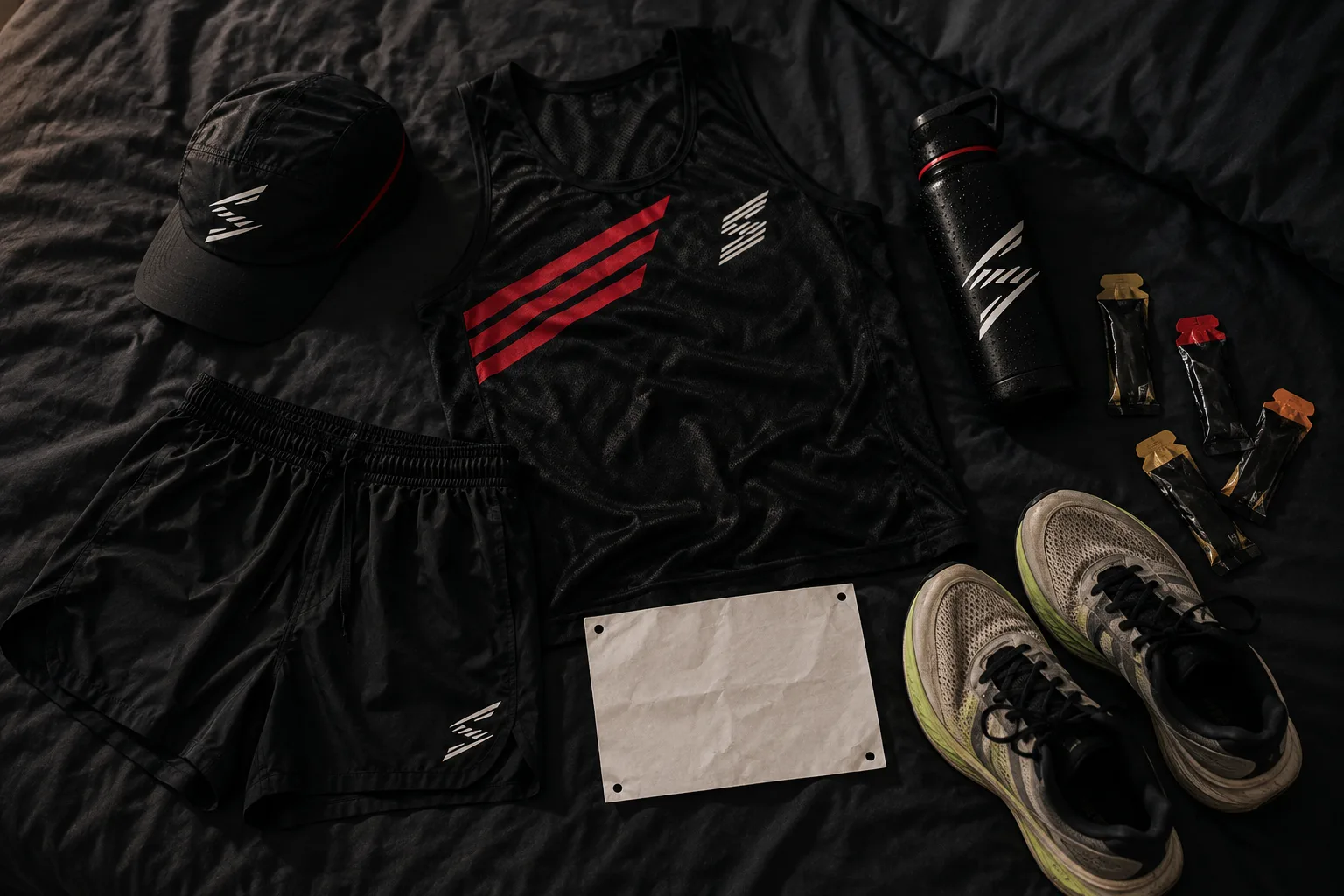
Race-day checklist: from 10K to marathon
What to do the week before, the night before and on the day, whatever distance you are racing.

What to eat before and during long runs
Eat something familiar before you go, carry something simple for the long ones, and test all of it in training, never on the day.

10 mistakes new runners make (and the easy fixes)
Almost every new runner trips over the same ten things. Spot them early and your first months get a lot smoother.
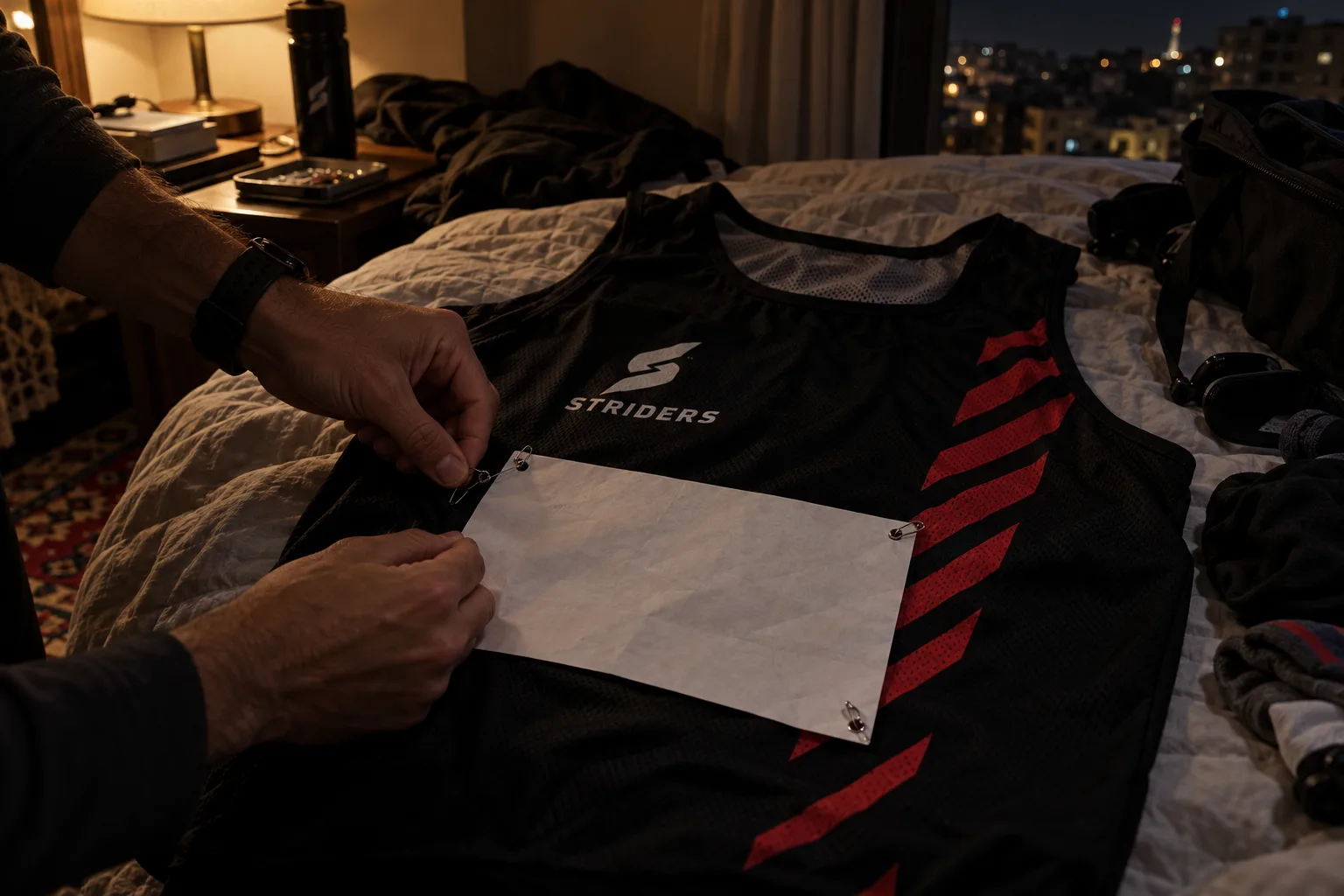
First-marathon nerves, and how to calm them
Being nervous before your first marathon is normal. A plan, a routine and the right company turn that energy into something useful.

Common running injuries and how to avoid them
A plain guide to the aches runners get most often, what usually causes them, and how to lower your risk.
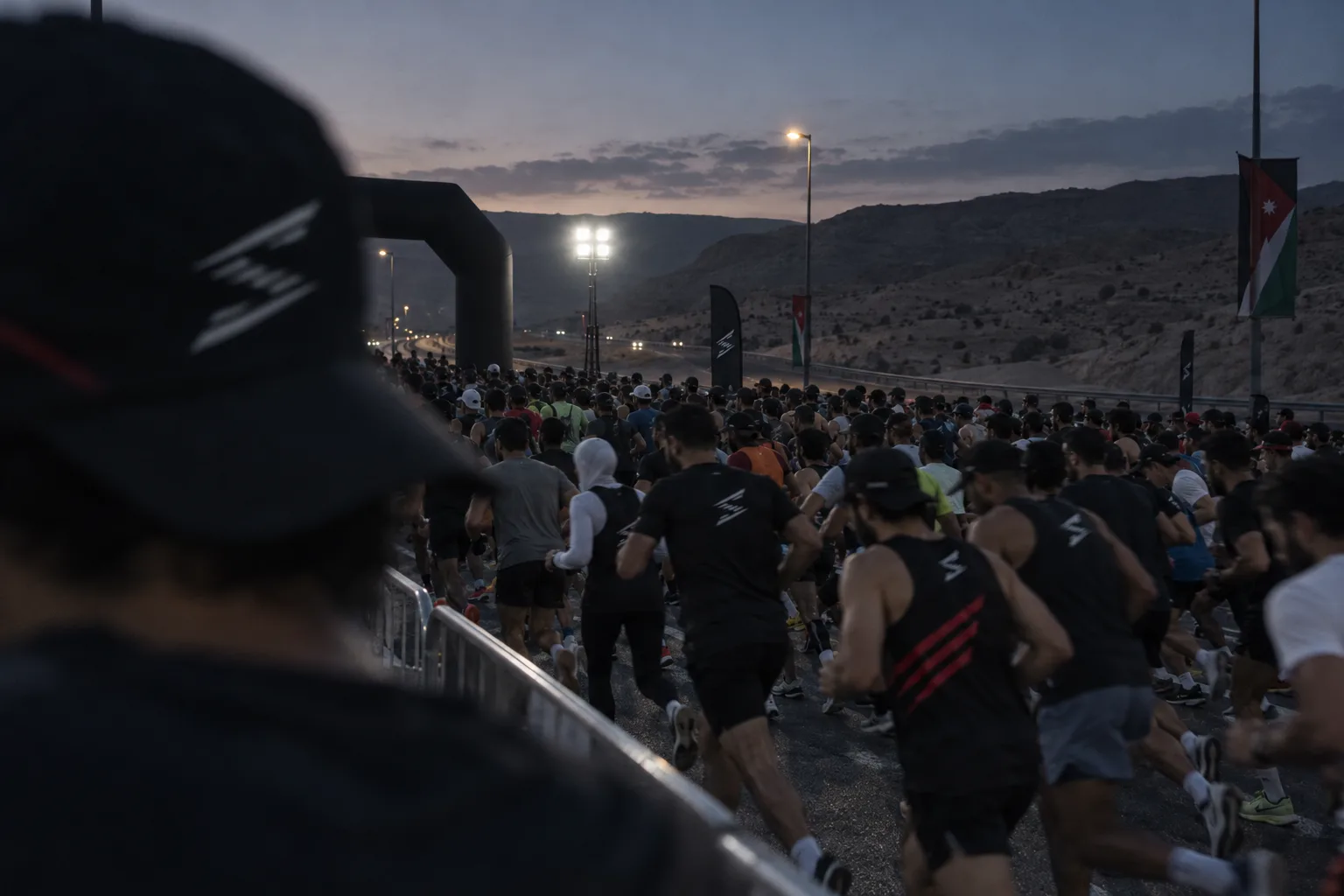
Races in Jordan worth training for
From city road races to events by the Dead Sea, here is how to choose a race, plan toward it and check the details properly.
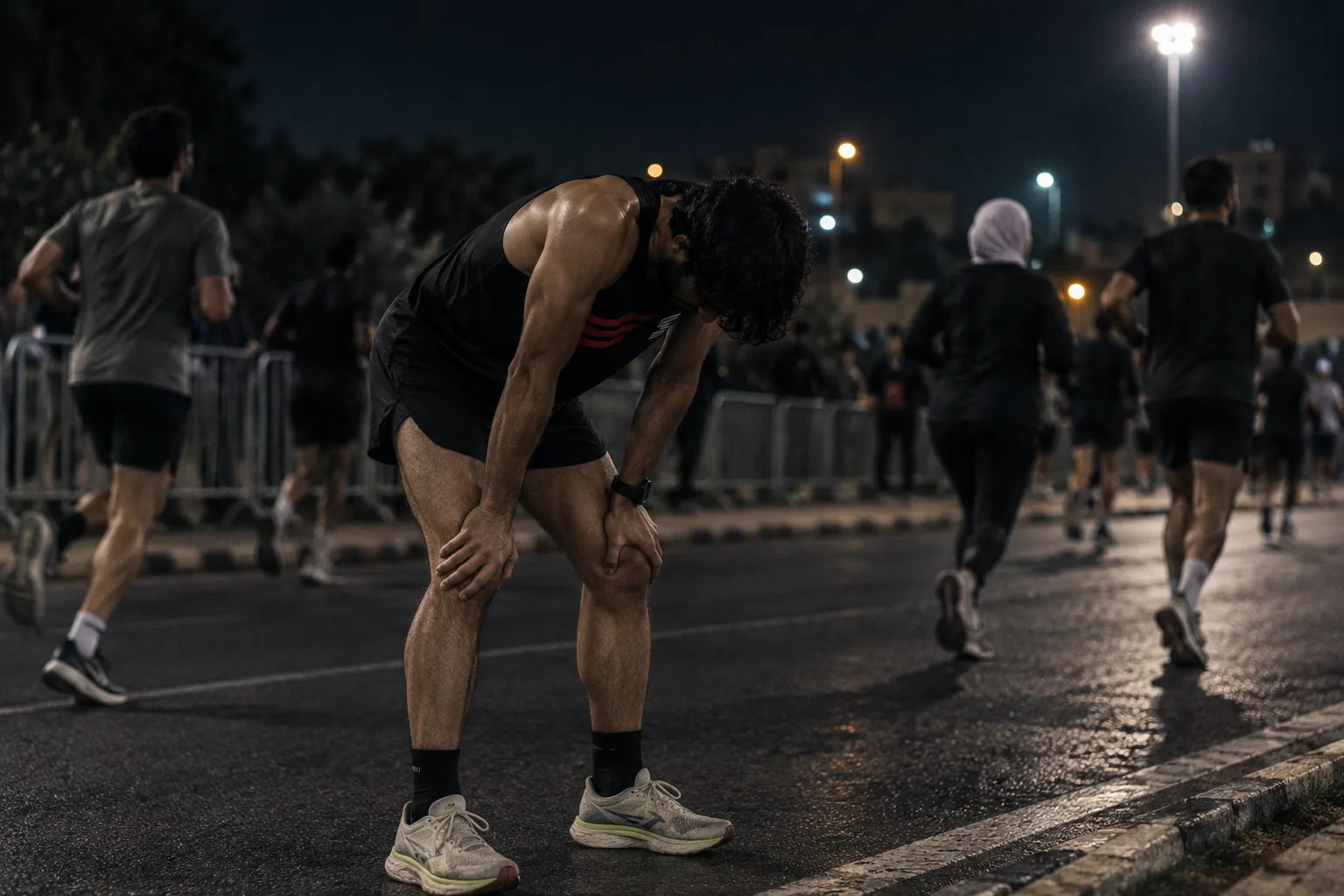
Hitting the wall, why it happens and how to avoid it
The wall is a sudden collapse late in a long race. Most of it is preventable with pacing, fuelling practice and patience.

The taper, your last three weeks before a marathon
Cutting back before race day feels wrong and works well. Here is what to reduce, what to keep, and how to stay calm.

How to pace a marathon, and what Amman's climbs change
Even or slightly negative splits are the classic plan. Here is how to hold them, and why a hilly course asks for effort over pace.

Trail running in Jordan: how to get started
Jordan has wild country worth running in. Here is how to make the move from road to trail safely, and what to carry.
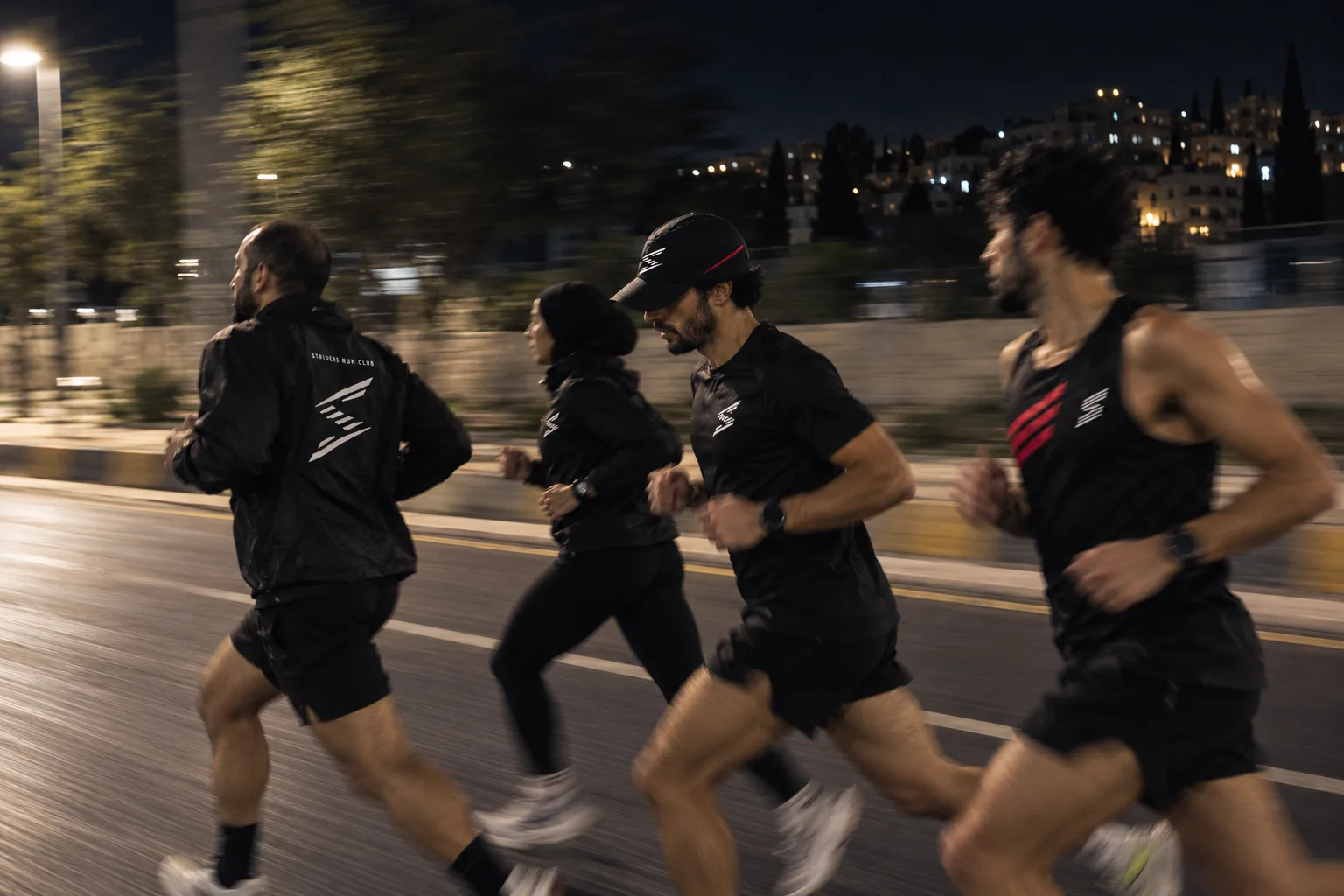
How to pace a 10K, hills included
A 10K rewards patience in the first kilometres. Start controlled, settle into effort, and let the hills be part of the plan.

How to show up to your first group run
What to bring, when to arrive, and why nobody minds if you're slow.

Warm up before you speed up
Ten easy minutes and a few drills make the hard part feel better.

Build your weekly kilometres slowly
Add a little at a time, and take an easier week every so often.

Getting out the door when you don't feel like it
Lay out your kit, lower the bar, and run with people who expect you.

Rest days and sleep are training too
You get fitter while you recover, not only while you run.
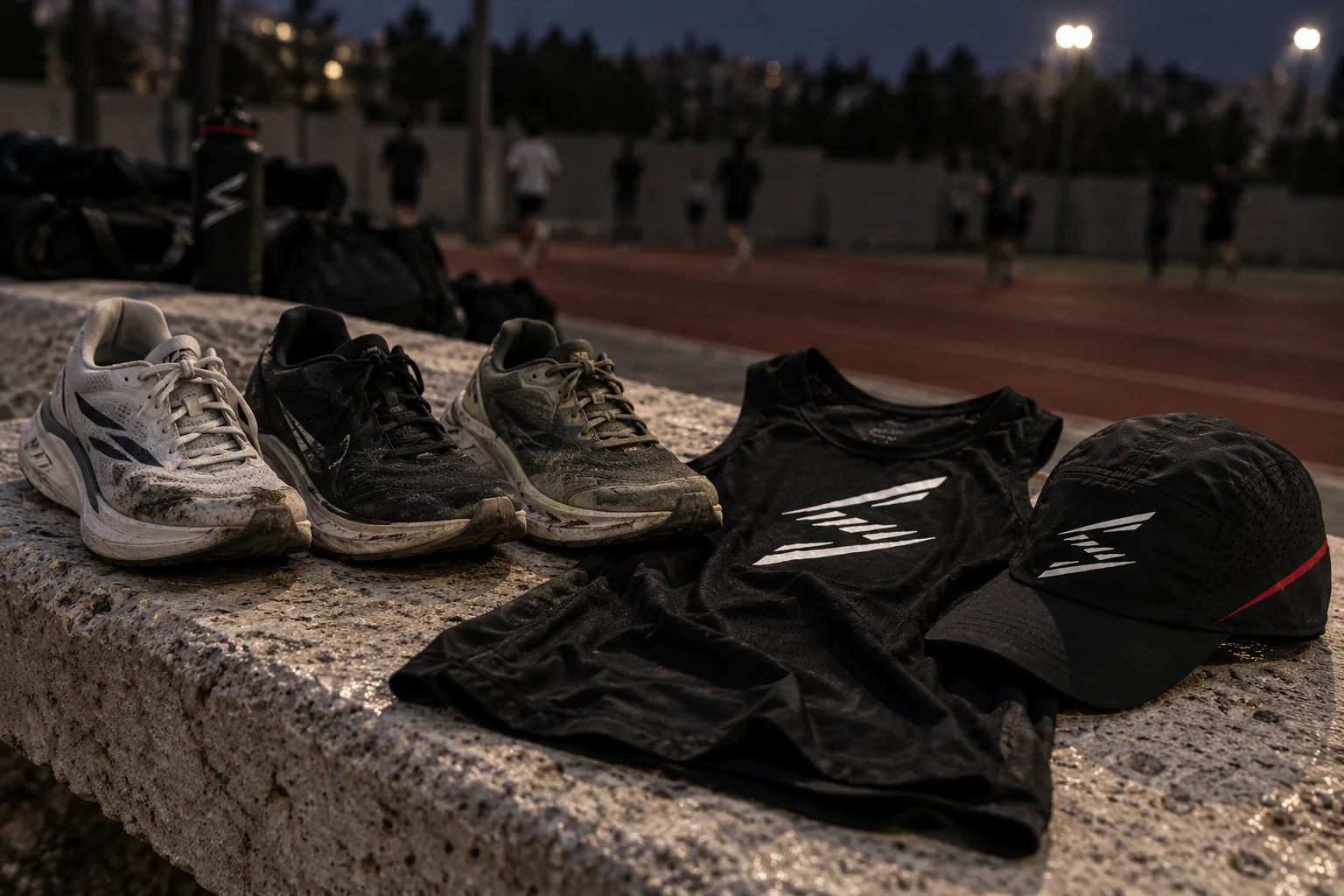
What kit actually matters
Good shoes that fit come first. Most of the rest is optional.

Running in Amman's winter
Layers you can take off, light after dark, and care on wet roads.
General advice, not medical advice. If pain persists, see a doctor or physiotherapist.