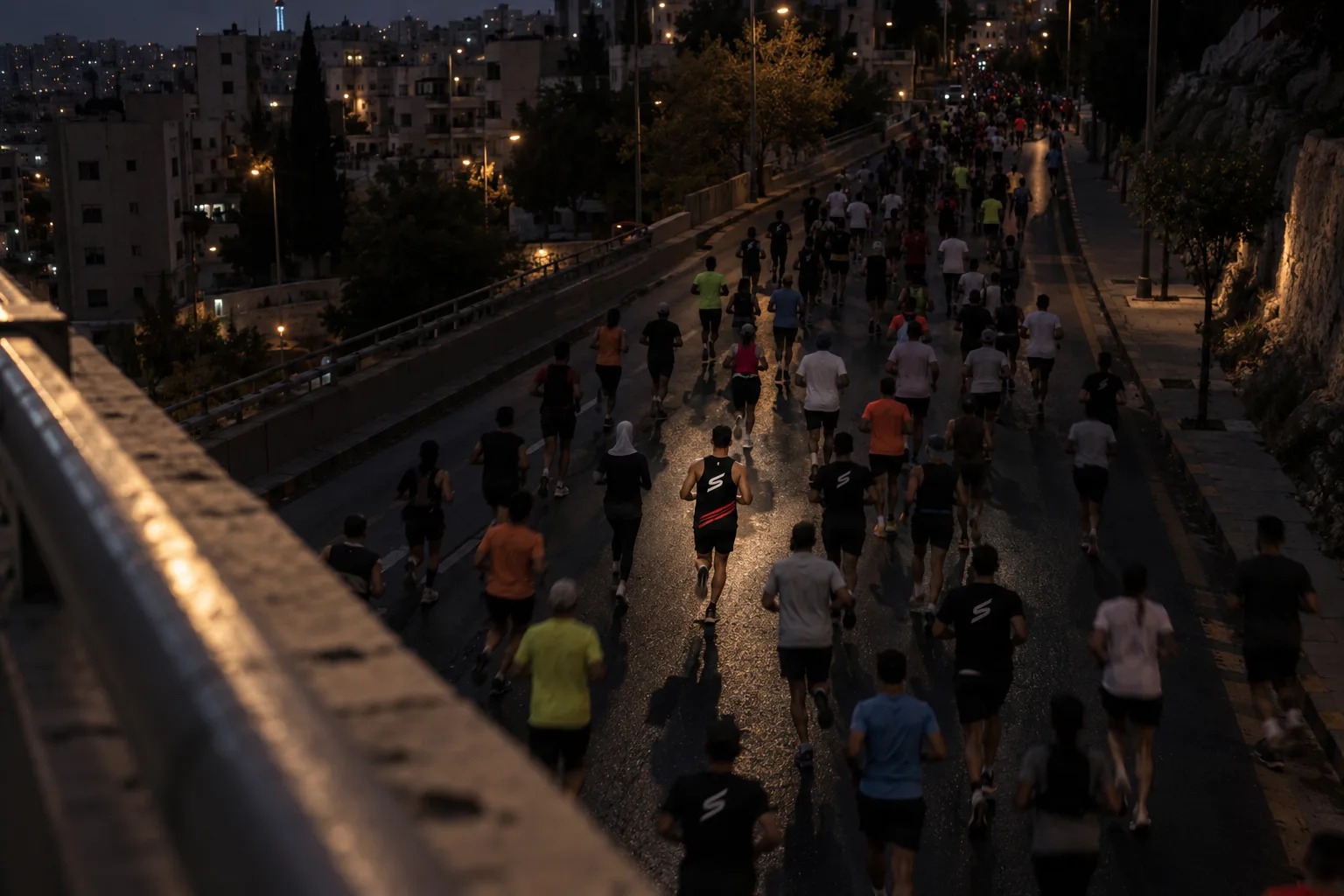
A marathon is two races. The first is the 30 km where you have to stay patient. The second is whatever comes after, and it depends almost entirely on what you did in the first.
Ask experienced marathoners what they would tell their younger selves and many say the same thing: you went out too fast. This guide gives you a plan that avoids that, and explains how to adapt it when the course is not flat, which is the case for most of Amman.
What are even splits and negative splits?
Even splits mean you run each kilometre at roughly the same pace. Negative splits mean you run the second half slightly faster than the first. Both are about the same idea: spend your energy evenly, or save a little for the end.
Why they work:
- The marathon is long enough that early effort is paid for later.
- Your body burns its fuel stores steadily. Spending them too early leaves a long, hard final stretch.
- Starting a little slower is cheap. Starting a little faster is expensive.
A slightly negative split is a good goal for most runners. A slightly positive split, where you fade a touch, is common and fine. A big fade is the thing to avoid, and a hard first half is how it happens.
How do I set a marathon pace?
Use a recent race or a solid long effort, not hope. Put a recent half marathon or 10K into the pace calculator and the race pace converter to see a realistic marathon range. Then choose a target a little on the cautious side.
Remember that marathon pace is a long way from your 10K pace. It should feel steady and controlled, not hard. If you can speak in short sentences at the start and your breathing is calm, you are in the right place.
How should I run the first 10 km?
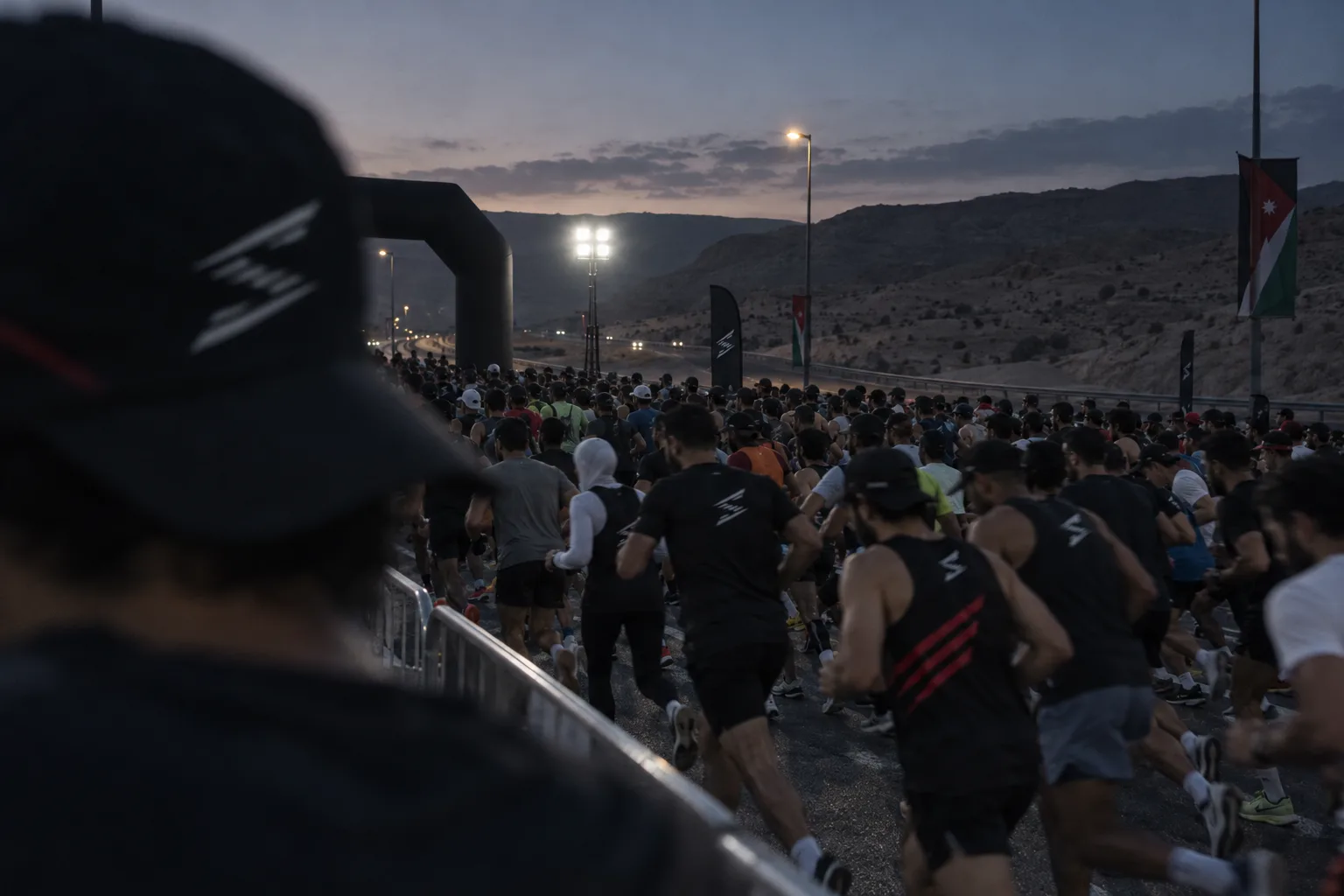
Slower than your target, or exactly on it, but never faster. This part of the race feels easy, and that is the trap. The crowd is energised, your legs are rested, and the pace feels effortless, which is why people overcook it.
- Run the first two to three kilometres a touch easier than target.
- Settle into rhythm and stay relaxed through your shoulders and hands.
- Do not bank time. There is no refund for fast early kilometres.
- Start your fuelling plan early. If you have practised it, follow it. If not, read our guide to fuelling long runs.
What happens in the middle of the race?
From about 10 km to 30 km, the job is to be boring. Hold your pace, check in with your effort every few kilometres, and take your drinks and food on schedule. This is where good marathons are built quietly.
If you feel great, resist the urge to speed up. If you feel a bit rough, stay calm: runners often have patches that pass. Keep your form, slow your breathing, and keep going. The next section explains what to do if it does not pass, and our article on hitting the wall goes deeper.
How does a hilly course change the plan?
Pace should bend to the terrain. On a course with climbs, aim for an even effort, not an even pace. That means:
- Slower on the way up, with shorter, quicker steps.
- A little quicker on the way down, relaxed and light, without braking.
- Never fighting a climb to protect your average. The hill is not the enemy; the early overspend is.
Amman is a hilly city, and a marathon here, or anywhere with real elevation, will not give you flat splits. Do not be alarmed by a slow kilometre on a climb. Use our hills guide to practise the technique, and check the organiser’s site for this year’s course profile before you set your plan.
When do I start racing?
Around 30 km. Until then you were running smart. From here, the race is about who can hold their form as fatigue arrives. If you still have energy at 32 km, lift gently. If not, hold your pace and stay focused on the next kilometre only.
Break the final stretch into small pieces. A kilometre at a time, a lamp post at a time, a breath at a time. Many runners find the last 10 km feels like a different sport, and that is normal.
How do I practise marathon pace?
Race pace feels natural only if you have rehearsed it. Include some steady running at goal pace inside your long runs, and some progression finishes where the last few kilometres are faster. The marathon training plan shows how these fit across the weeks.
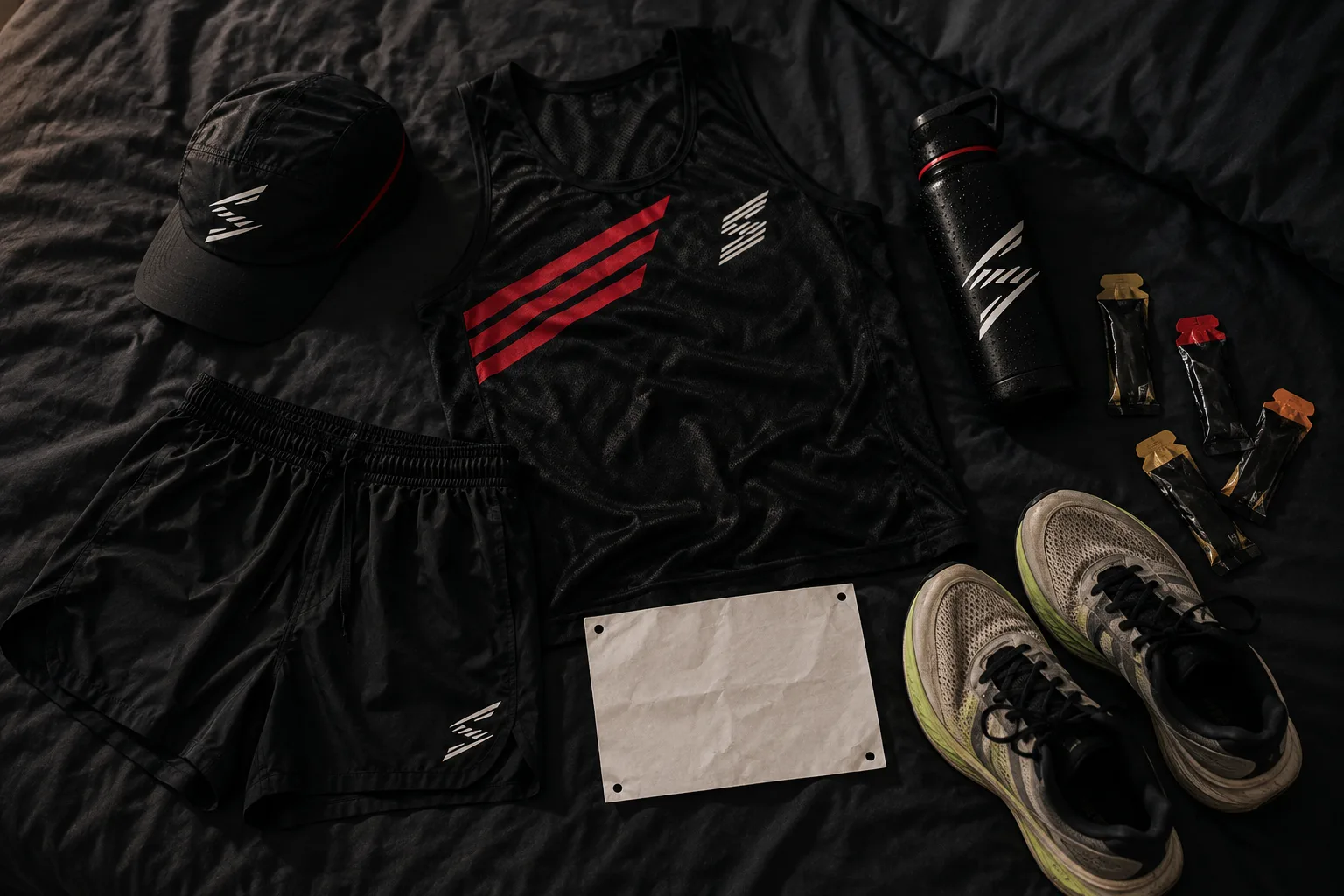
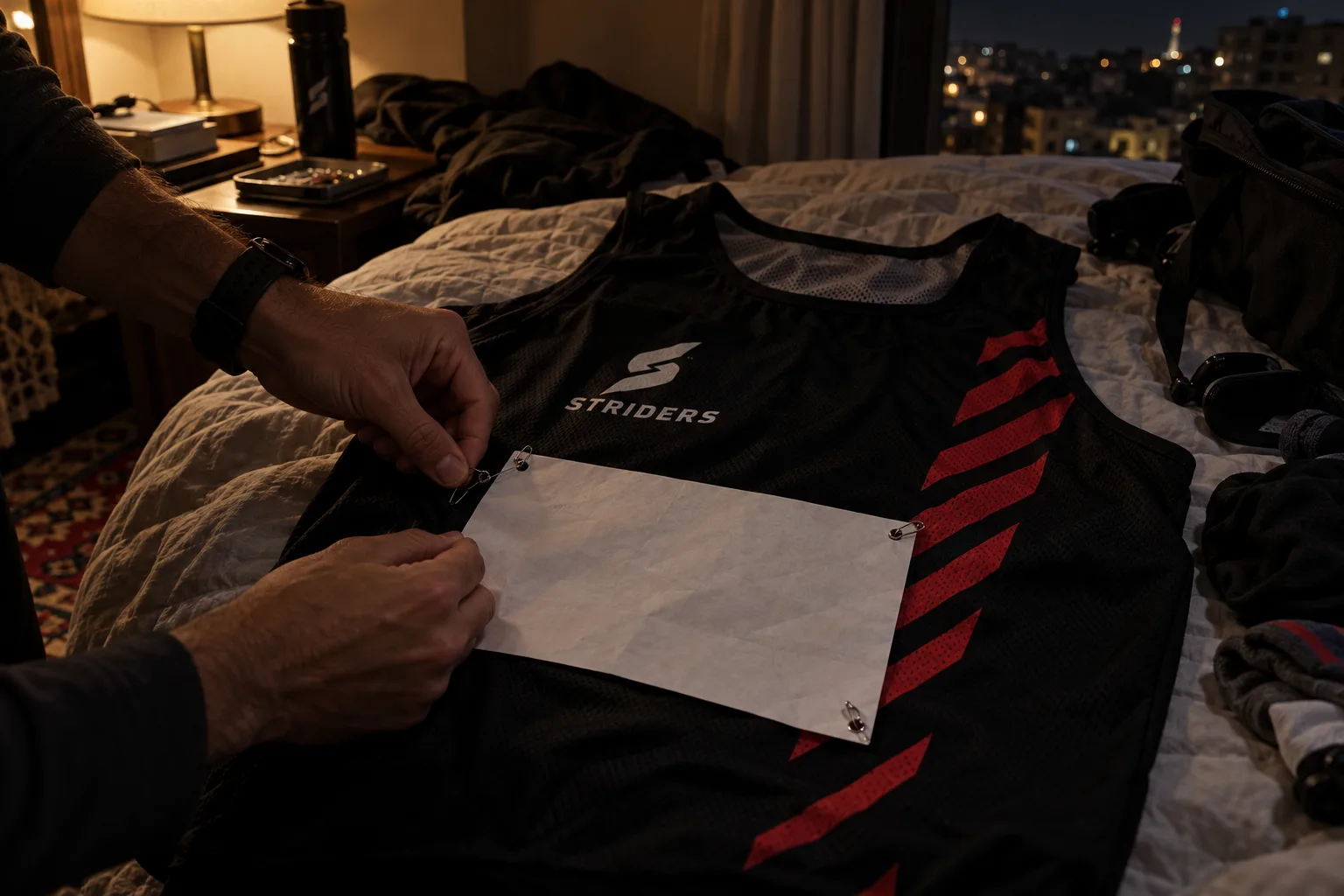
Practise your gear, your clothes and your fuelling on those same long runs. Nothing new on race day is the oldest advice in running, and it is oldest because it works. Pair this with a calm taper before the race.
How does the club help?
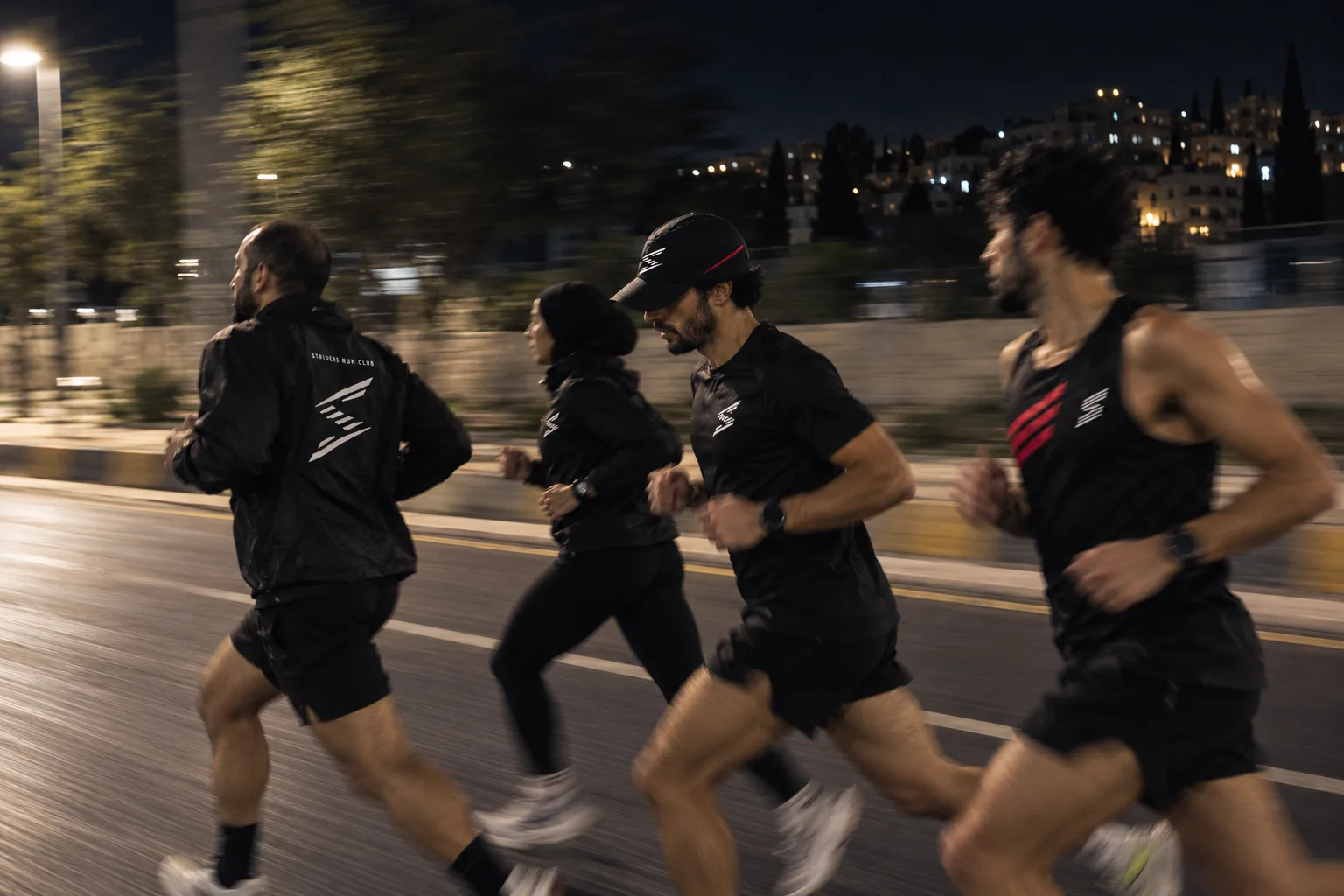
The Saturday 6:30 am long run, 14 to 25 km on the Dabouq hills, is where you learn to run by effort and rehearse a steady rhythm over long distances. On Wednesdays at 6:30 pm the track session builds the speed and control underneath it, in coached pace groups at Al Hussein Sports City. Monday’s Open Run at 6:30 pm is the easy day: open to everyone, just download the app and check in.
Summers in Amman are hot, so if your marathon falls in warm weather, give yourself a slower target and more drinks. Our summer heat guide covers it.
The bottom line
Start a touch slower than you want. Hold an even effort through the middle, and treat Amman-style climbs as effort, not pace. Keep something in reserve for the last 12 km, and plan your fuelling before race day.
A marathon rewards patience more than any other distance. If you spend yours early, it will charge you late.
General advice, not medical advice. If pain persists, see a doctor or physiotherapist.