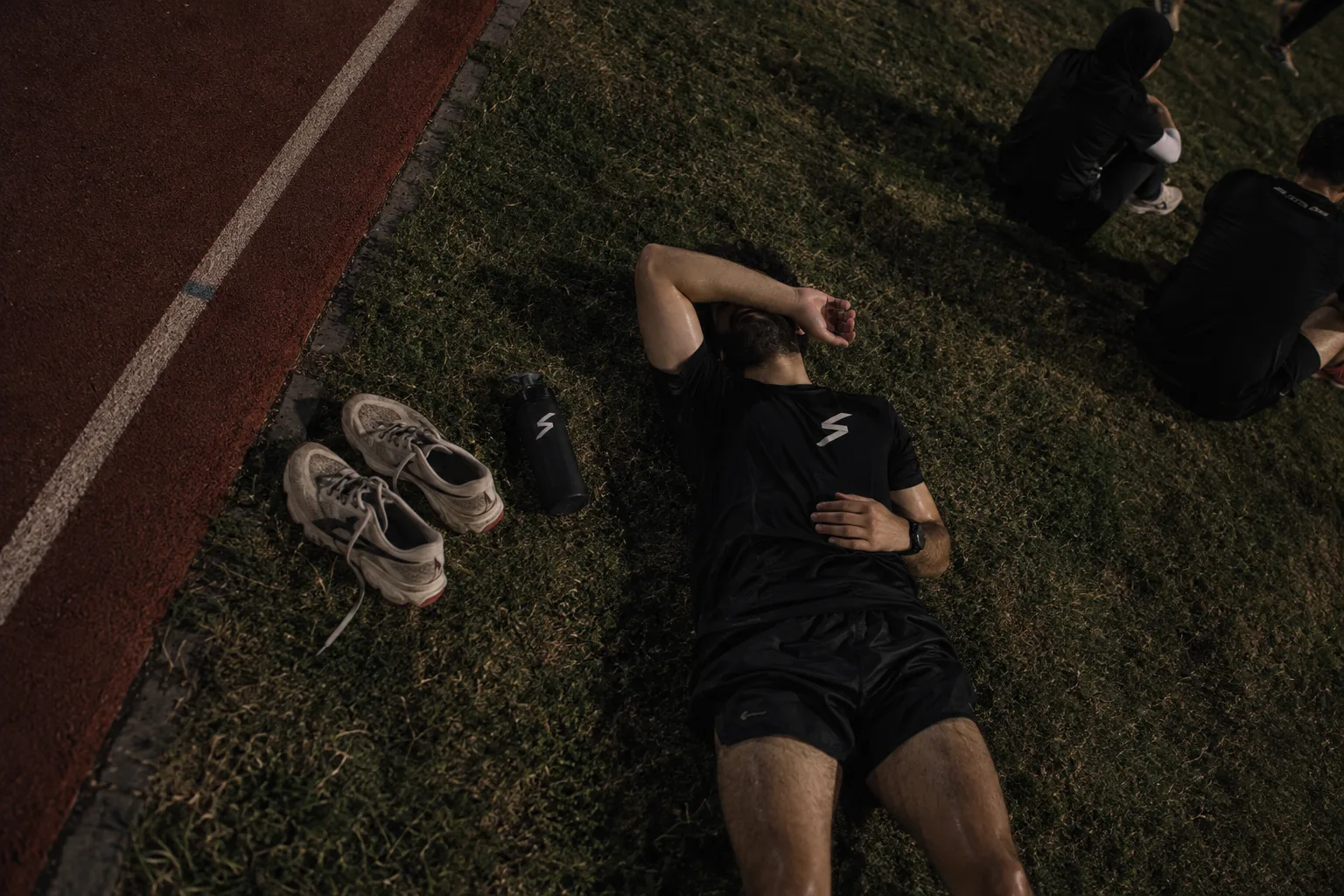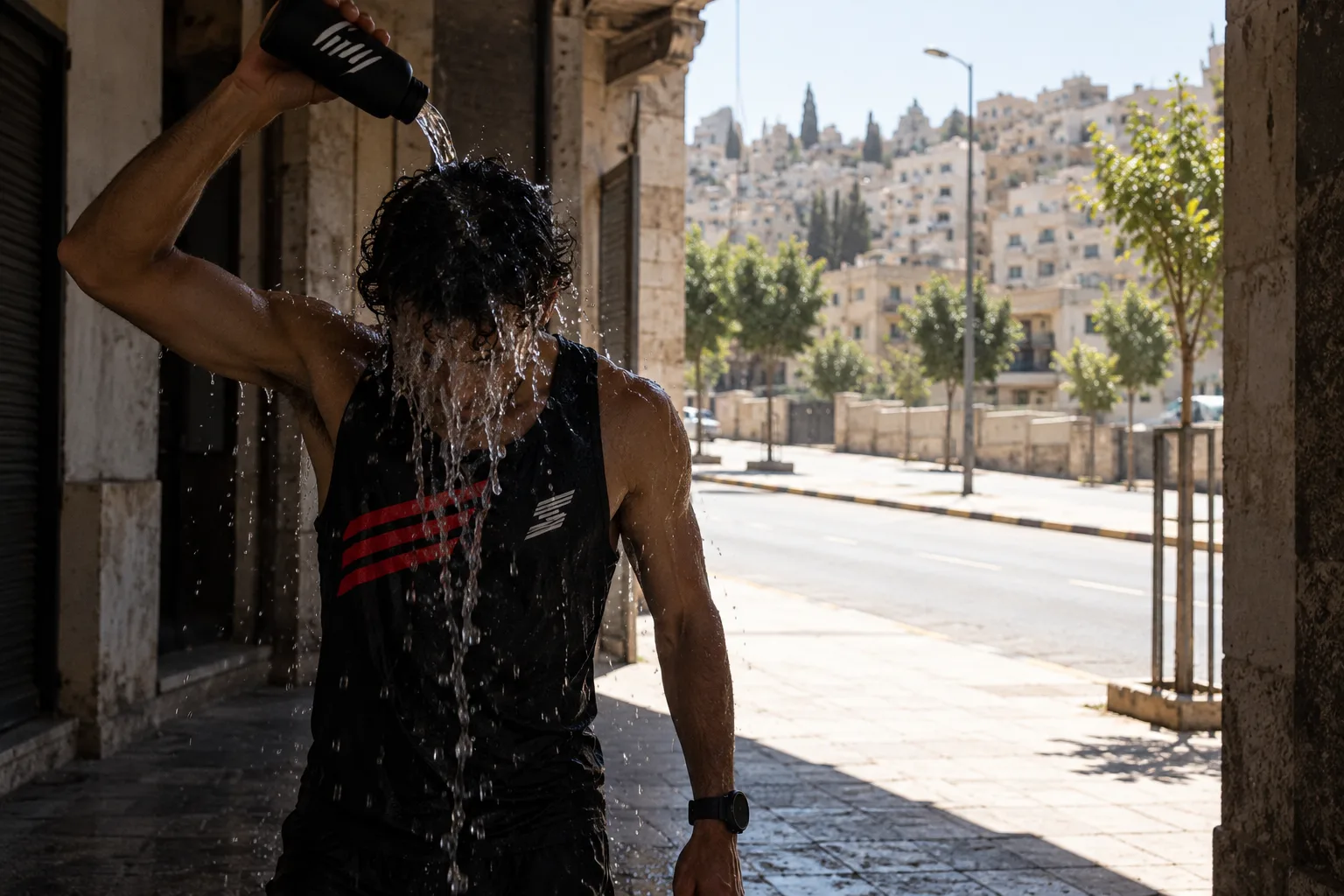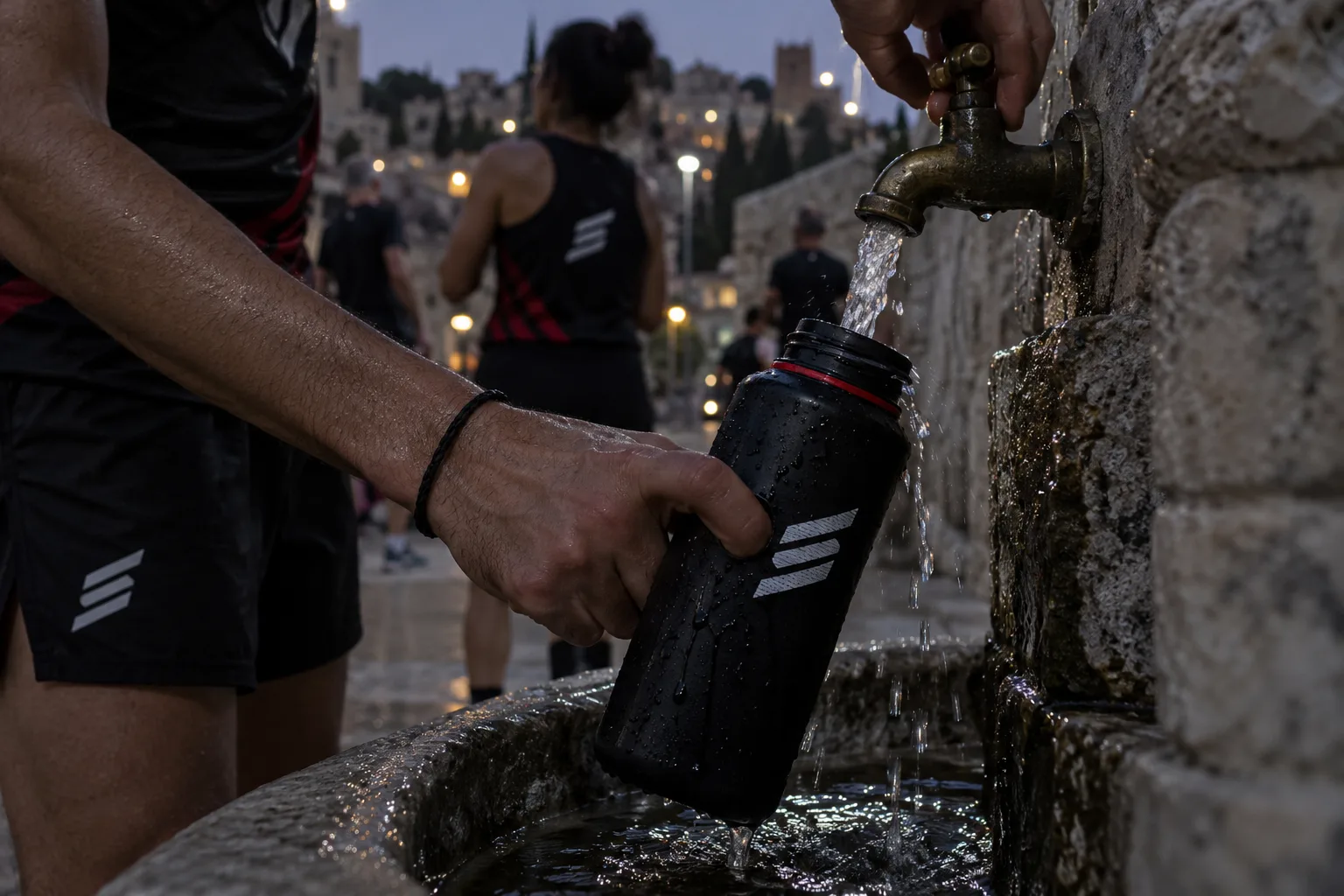
Long runs are where fuelling starts to matter. A short easy jog needs little more than a decent night’s sleep. A two-hour run on the hills is a different job, and the way you eat around it can decide whether you finish feeling strong or limping home on empty.
The good news is that you do not need a lab or a special product. You need a few habits and some honest trial and error. This article covers common practice, not a prescription. Everyone’s stomach is different, and you are the only one who can test yours.
Why does fuelling matter on long runs?
Your body stores a limited amount of fuel for running. On a short run you will never come near the bottom of that tank. On a long run you might. When it gets low, the run starts to feel heavy for no obvious reason, your pace drifts, and you can feel dizzy or irritable. Many runners call this “the wall”, and you can read more in our guide to hitting the wall.
Eating well before and during the run is how you keep that tank topped up. It is not about being strict. It is about not turning a good run into a bad one by skipping breakfast.
What should I eat before a long run?
Keep it familiar, mostly carbohydrate, and easy on the stomach. Give yourself a gap, usually an hour or two for a meal and less for a small snack, so your body is not still busy digesting when you start.
Things many runners find sit well:
- Bread with a thin spread of honey or jam.
- A banana or a handful of dates.
- Plain rice or oats if you have more time.
- Labneh on bread, if that is something you already eat and your stomach is fine with it.
Go easy on very fatty, very spicy or very high-fibre food right before a run. That is where most stomach trouble starts. If you are running early on a Saturday morning, a small snack and a glass of water is often enough, and that is perfectly fine.
Are local foods like dates, bread and labneh any good?
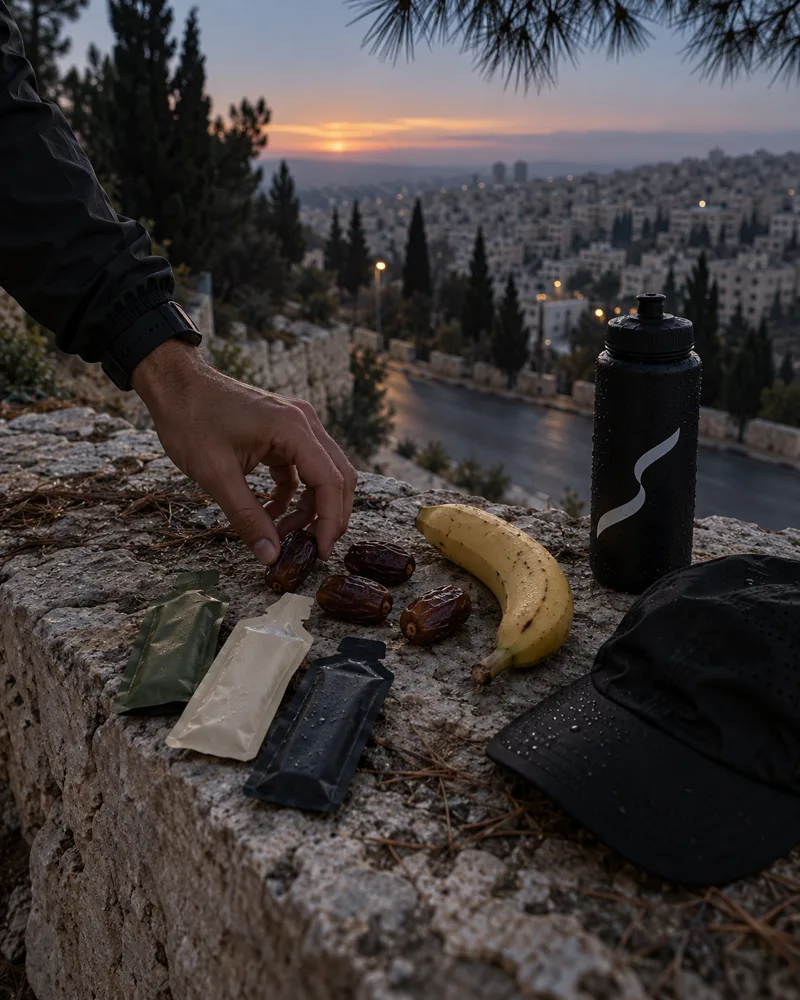
Honestly, yes and no. Dates are a handy, compact source of sugar that many runners carry on long efforts, and bread is a simple carbohydrate most of us already eat. Neither is magic, and neither is better than any other familiar food that works for you.
What matters is that they suit you. Dates can be sticky and heavy if you eat too many, and they are easy to over-do when it is hot. Labneh is lovely, but it is dairy and fat, so it is better as part of a meal an hour or two before than as something you eat mid-run. Test any food on a normal training day first. If it sits well, use it. If it does not, drop it without guilt.
Do I need to eat during the run?
For runs of around an hour or less at an easy pace, most people do fine on water. Once a run goes beyond that, many runners like to take something small to eat as they go, so they are not relying only on what they ate before.
Start eating early rather than waiting until you feel empty. Small and regular is usually kinder to the stomach than one big mouthful late. Good options are easy to carry and chew:
- Dates, without the stones.
- Small pieces of bread or a plain roll.
- Energy chews or gels, if you like them and have tried them.
- A banana, cut and wrapped, for a slower run.
Take it with water, not instead of it. Our note on hydration and electrolytes covers that side.
How do I practise fuelling in training?
Treat your long runs as rehearsals. Pick one thing to test per run, so you know what caused any problem. Try a new snack on a long run, not a short one, and not in the week of a race.
Keep a quick note after each long run: what you ate, when, and how you felt. After a few weeks you will see a pattern. That pattern is far more useful than anything you read online, including this article. The rule for race day is simple and old: nothing new. Our race day checklist puts this in one place.
How does this work around Amman?
Summer long runs in Amman are hot, and heat makes some foods harder to stomach. Dates and bread travel well in a pocket or belt, while anything with dairy does not. On the Saturday long run, which runs 14 to 25 km on the Dabouq hills at 6:30 am, plan what you will carry before you leave the house, because there is not always a shop on the route.
If you are building toward a longer distance, the plans in our marathon training and half marathon pages give you the long runs to rehearse with. And if you are fasting for Ramadan, our guide to running in Ramadan looks at what changes.
When should I talk to someone?
If you get strong stomach cramps, dizziness, or you feel unwell during or after a run that does not settle, stop and see a doctor or a registered dietitian. The same applies if you have a medical condition, are pregnant, or have a history of eating difficulties. This article is general guidance only, and a professional can tailor it to you.
The bottom line
Eat something familiar before a long run, carry something simple for the longer ones, and sip water along the way. Dates and bread are fine if they suit you, and the only real test is your own training. Change one thing at a time, write down what happens, and keep race day boring.
Join the Saturday group, notice what the others carry, and borrow ideas to try. You will find your own mix in a few weeks.
General advice, not medical advice. If pain persists, see a doctor or physiotherapist.