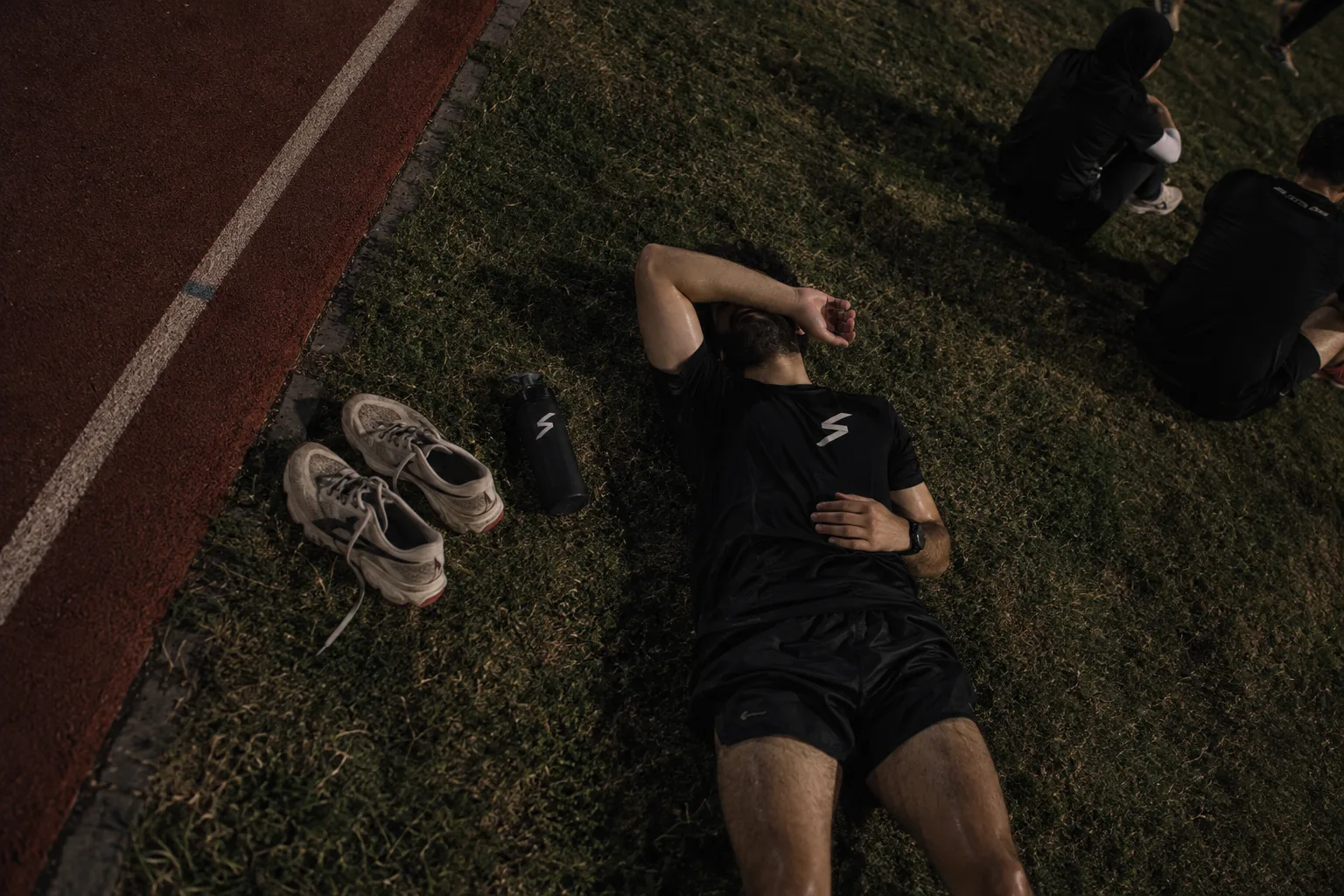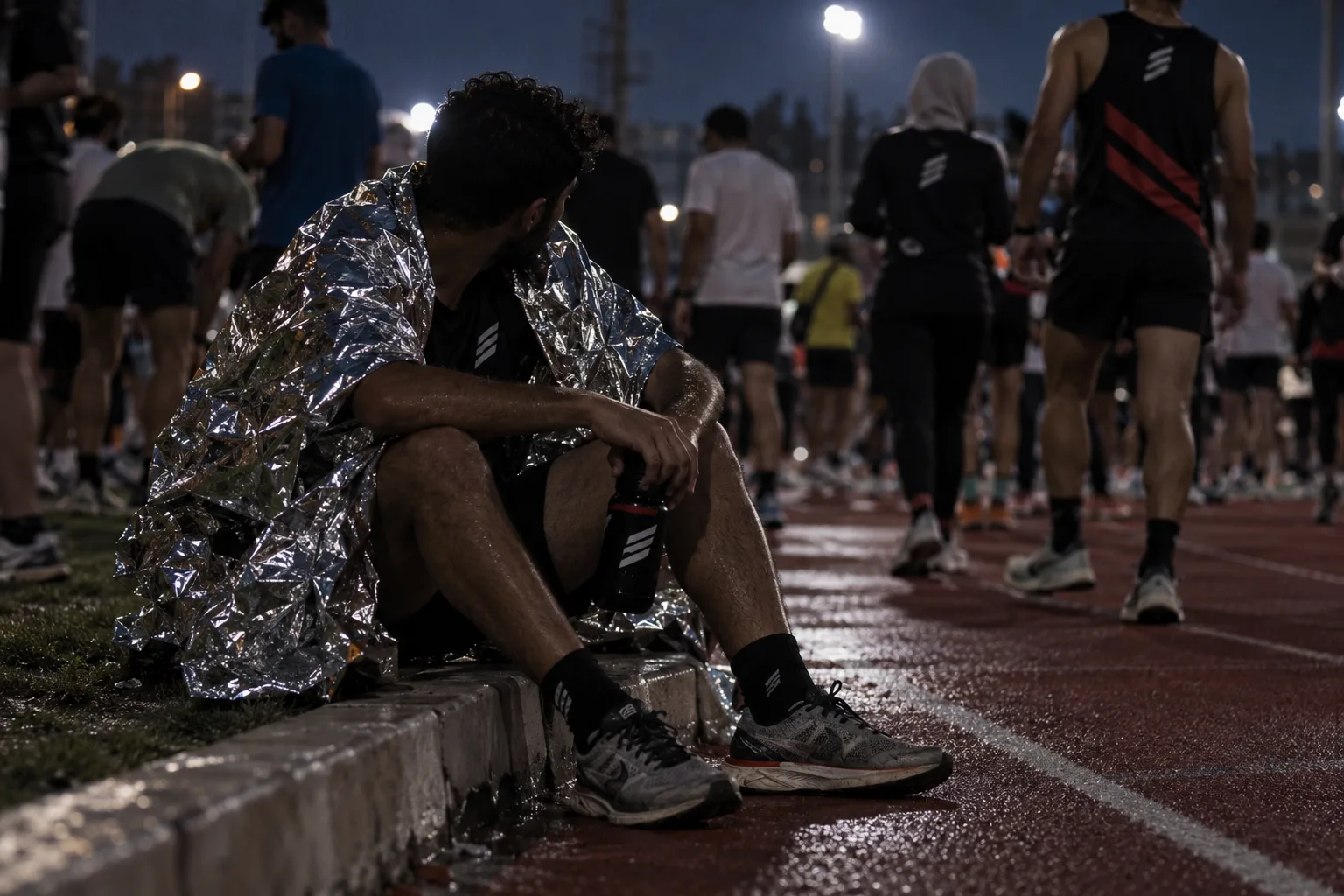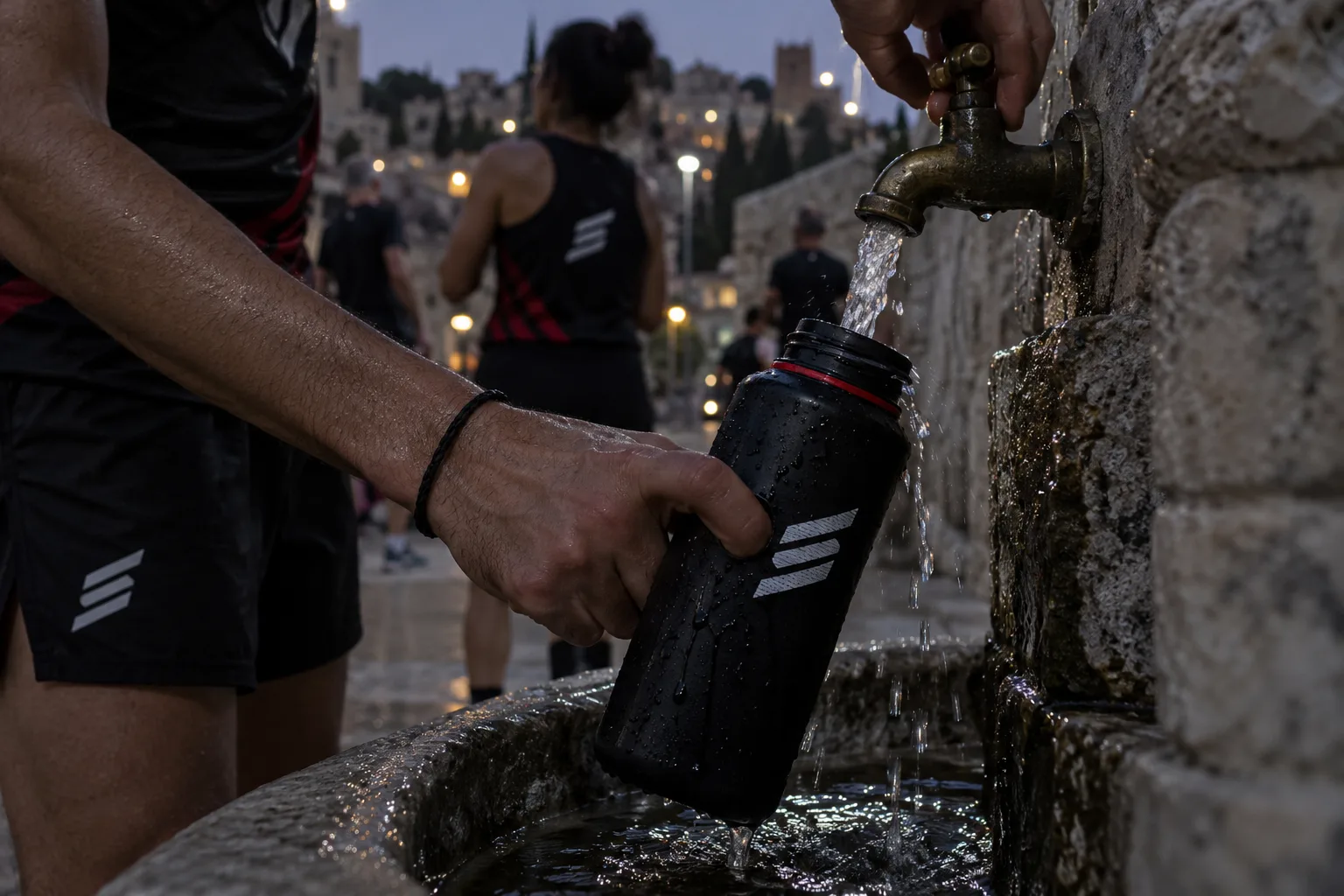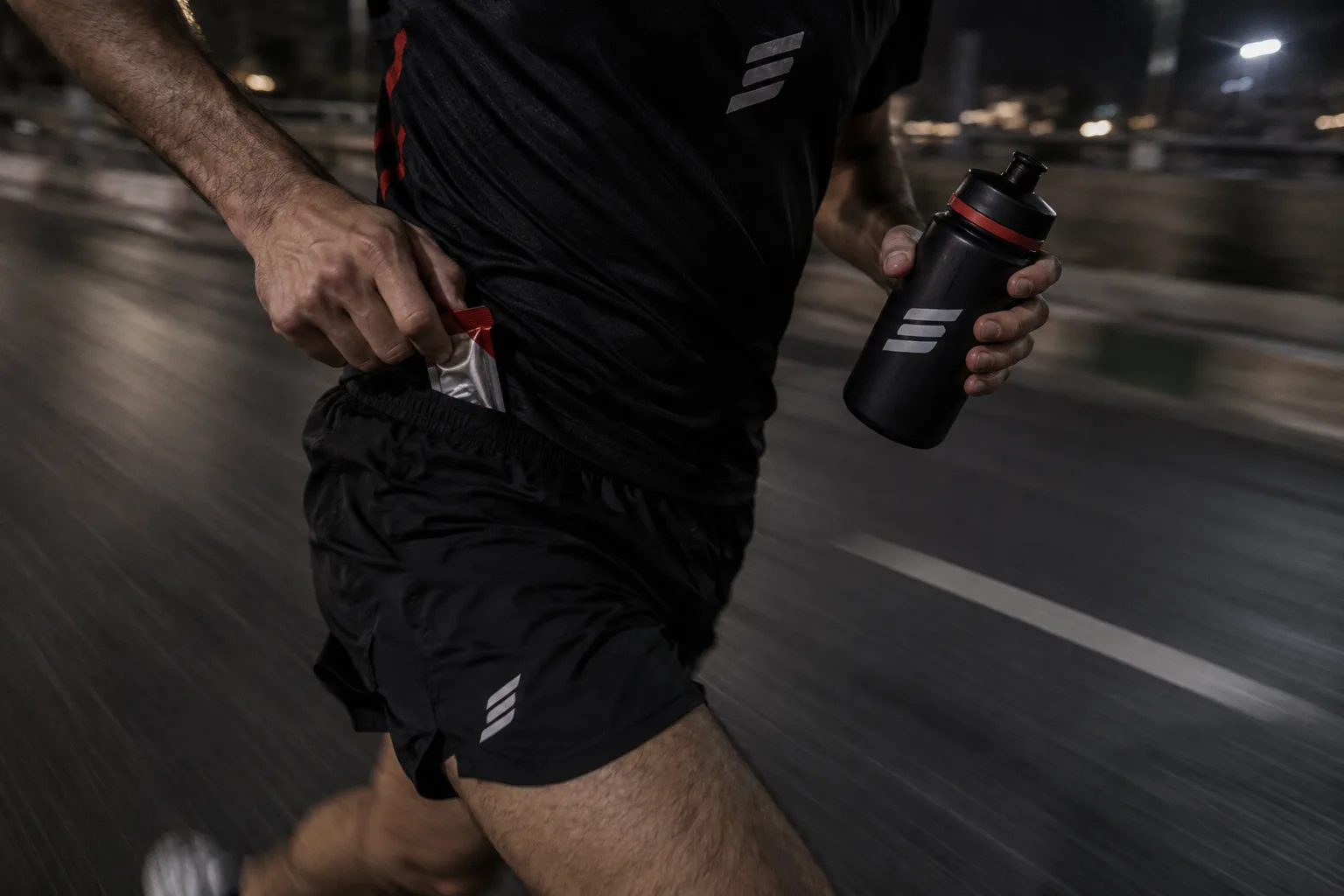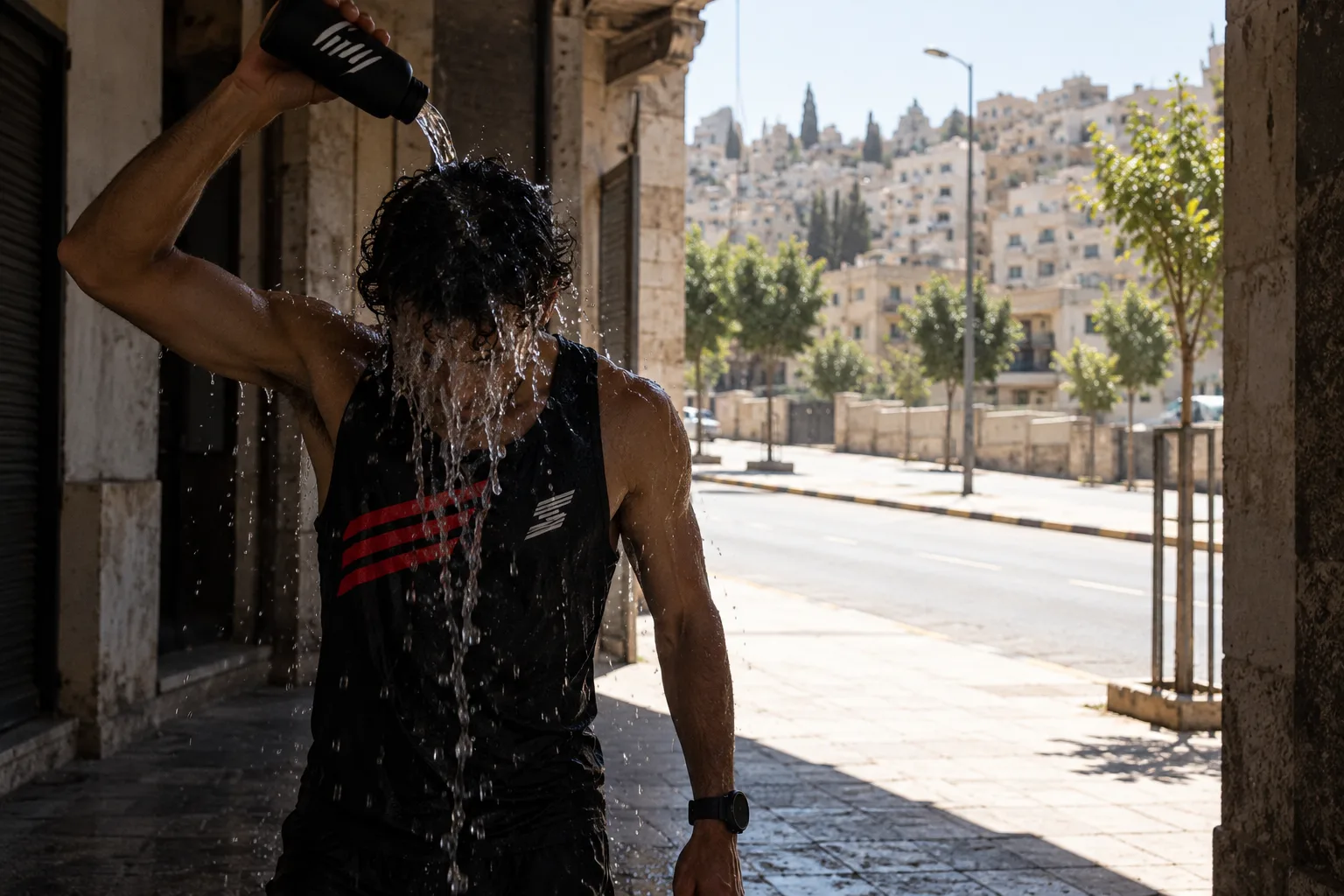
Amman summers are hot and dry, and the sun is strong from early in the morning. You do not have to stop running until October. You do have to change how you run.
Most summer problems come from one mistake: running the way you do in April and expecting the same result. This article is a calm, practical set of adjustments, none of which need special gear. It is general guidance, not medical advice, so if you have a health condition or take medication, ask a doctor what is right for you.
Why does the same pace feel so much harder in the heat?
Because your body is doing a second job. Besides running, it is working to keep itself cool, which means more effort for the same speed. Your heart rate sits higher, your breathing feels heavier, and the run you handled easily in spring now feels like a tempo.
That is not lost fitness. It is the weather. Once you accept that, the rest becomes simple: you adjust the plan, not your opinion of yourself.
When should I run?
Early morning or evening, whichever your day allows. The first hours after sunrise are the coolest, and the sun is low again in the evening, though the ground and the buildings can hold the day’s heat for a while. Midday, with the sun overhead, is the time to skip.
A few easy habits help:
- Move your hardest run of the week to the coolest slot you can manage.
- Choose routes with shade, trees, or buildings on the sunny side.
- Plan loops that pass a shop or your car, so a refill is never far.
This is why the club runs where it does: Saturday’s long run starts at 6:30 am, and the Monday Open Run and Wednesday track session start at 6:30 pm, after the worst of the heat has passed.
How do I slow down without feeling guilty?
Run by feel. Your watch measures speed, but the heat changes what a given speed costs. If your easy pace is slower in August than it was in March, you are running the right effort for the day.
Use the talk test from our start-easy guide: if you cannot speak in full sentences, you are going too hard for the conditions. Let the pace go. Walking breaks are fine, and a shorter run in the heat beats a long one that leaves you wrecked for three days. Easy running is how you build fitness all summer, and building slowly matters even more when it is hot.
How much should I drink, and when?
Start before you run, and drink steadily through the day, not only when you remember. The idea is to begin with enough already in you, and to drink small amounts regularly rather than waiting until your mouth is dry. By the time you feel properly thirsty, you are already behind.
- For short runs, water before and after is usually enough.
- For longer runs, carry water in a bottle or a vest. Dry air makes sweat vanish fast, so you can lose more than you notice.
- On long runs, add electrolytes in a drink or a tablet, because you lose salt through sweat, not just water.
- Drink a little at a time. Gulping a lot at once sits heavily in the stomach.
For the Saturday long run especially, plan your fluids the night before, the same way you would plan breakfast.
How do I protect myself from the sun?
Treat the sun as part of your kit.
- Wear a light cap or visor, and sunglasses if you run in bright light.
- Choose light-coloured, loose, breathable clothing that dries quickly.
- Put sunscreen on any exposed skin, and reapply on long runs.
- Rinse your face and neck with water if you can. It feels good and helps you cool down.
Dark, heavy clothes and cotton that soaks up sweat make a hot run harder. You do not need expensive gear, just fabric that lets air through.
What are the warning signs of heat illness?
Know these before you need them. Stop running and take them seriously if you notice:
- dizziness or feeling faint
- confusion or trouble thinking clearly
- nausea or feeling sick
- a strong headache
- sweating that suddenly stops, with hot, dry-feeling skin
If any of these show up: stop, get into shade or indoors, and cool down by sitting, sipping water, and splashing or wetting your skin. Do not try to finish the run. If the symptoms do not ease quickly, or someone is confused or unwell, get help straight away. Look after the people you run with, and tell a runner who looks off to stop. Nobody on a Striders run will ever mind you cutting a session short.
Can I keep my fitness through the summer?
Yes. Slower, shorter, earlier runs still count. Rest matters too, because heat drains you: protect your sleep and recovery on hot weeks. If you are training for a longer race, aim for consistency over heroics, and look at our half marathon guide to see how a plan can flex around the weather.
The bottom line
Heat makes every run cost more, so adjust: run early or late, slow down by feel, drink before you are thirsty, protect your skin, and know the warning signs well enough to act on them without arguing with yourself.
Do that and summer stops being the season you survive and becomes one you keep running through. When autumn arrives, you will feel the benefit. Members can join the 6:30 am Saturday long run, and the Monday Open Run is open to everyone.
General advice, not medical advice. If pain persists, see a doctor or physiotherapist.