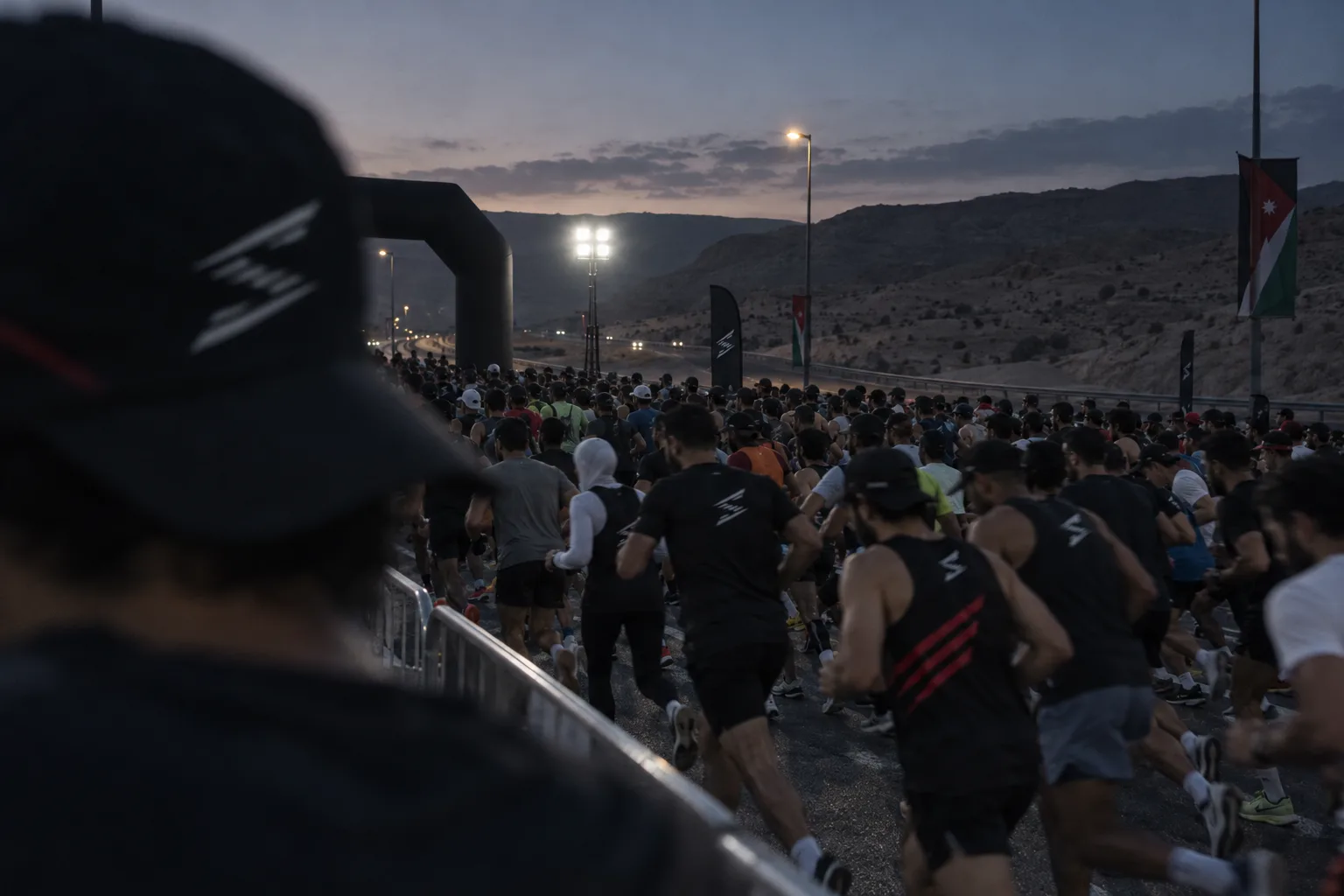
A race is the best excuse there is to train. It gives your weeks a shape, it gives you something to look forward to when the alarm goes off, and it turns a vague plan to get fitter into a date on the calendar.
Jordan has a growing running scene, with road races in Amman and events around places like the Dead Sea. This article is not a race calendar. Dates, distances, routes and entry rules change from year to year, so we do not list them here. What we can do is help you choose well and prepare properly, and then point you to the organiser for the facts.
Why sign up for a race at all?
Because it works. Most people train harder and more consistently when there is a date they cannot move. A race also gives you a finish line for all the early mornings, and a day when a crowd of strangers is moving in the same direction as you.
It does not need to be a big goal. A first 5 km or 10 km is a perfectly good race, and for many runners it is the one they remember most. If you are new, our beginner plan is a natural place to start.
How do I choose the right race?
Match it to where you are today, with a realistic gap for training. A few questions help:
- How many weeks do you have? Longer distances need longer, patient build-ups.
- What distance are you comfortable with right now? Choose something a step beyond it, not three steps.
- Is the course hilly? Amman is, and a hilly race is slower than a flat one, so do not set your target from a flat-course time.
- What will the weather be like at that time of year? A summer start in Jordan is a different job from a winter one.
- Can you get there easily, and can you rest properly the night before?
If you are stepping up to the half marathon, our first half marathon guide and the half marathon plan show how long you should give yourself.
What races are there in Jordan?
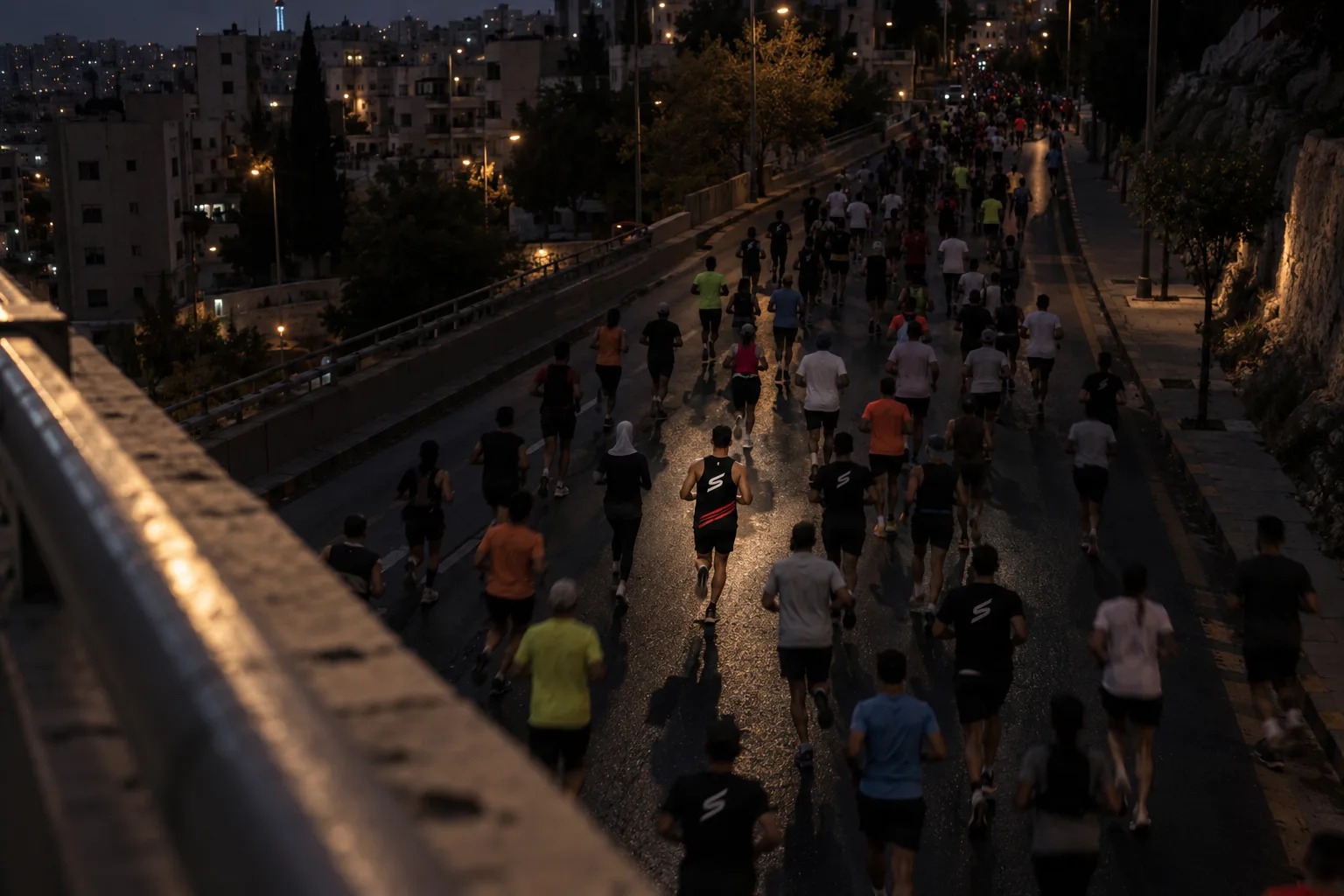
The Amman Marathon is a name most local runners know, and there are events in the Dead Sea area too.
We are deliberately not stating dates, distances or course details for any of these. They change, and a wrong detail on race day is a real problem. For every race you are interested in:
- Go to the organiser’s own website or social pages.
- Check this year’s date, start time, distance options and course.
- Read the entry rules, the cut-off times and the kit requirements.
- Note the registration deadline, because some races close early.
If something is unclear, ask the organiser directly rather than guessing.
How do I build a plan backwards from race day?
Start from the date and count back. Most plans have a build phase, a few peak weeks, and a short taper before the race.
- Be honest about your current weekly running, and start from there.
- Add distance and time slowly, following the idea in build slowly.
- Include one long run a week, easy runs, and rest days.
- Add a little quality, such as tempo runs or intervals, once the base is solid.
- Taper in the final days so you arrive fresh instead of tired.
Our marathon plan and the other goal plans show how this looks week by week. If you are not sure which level to choose, the quiz can point you in a direction.
How do I prepare for the day itself?
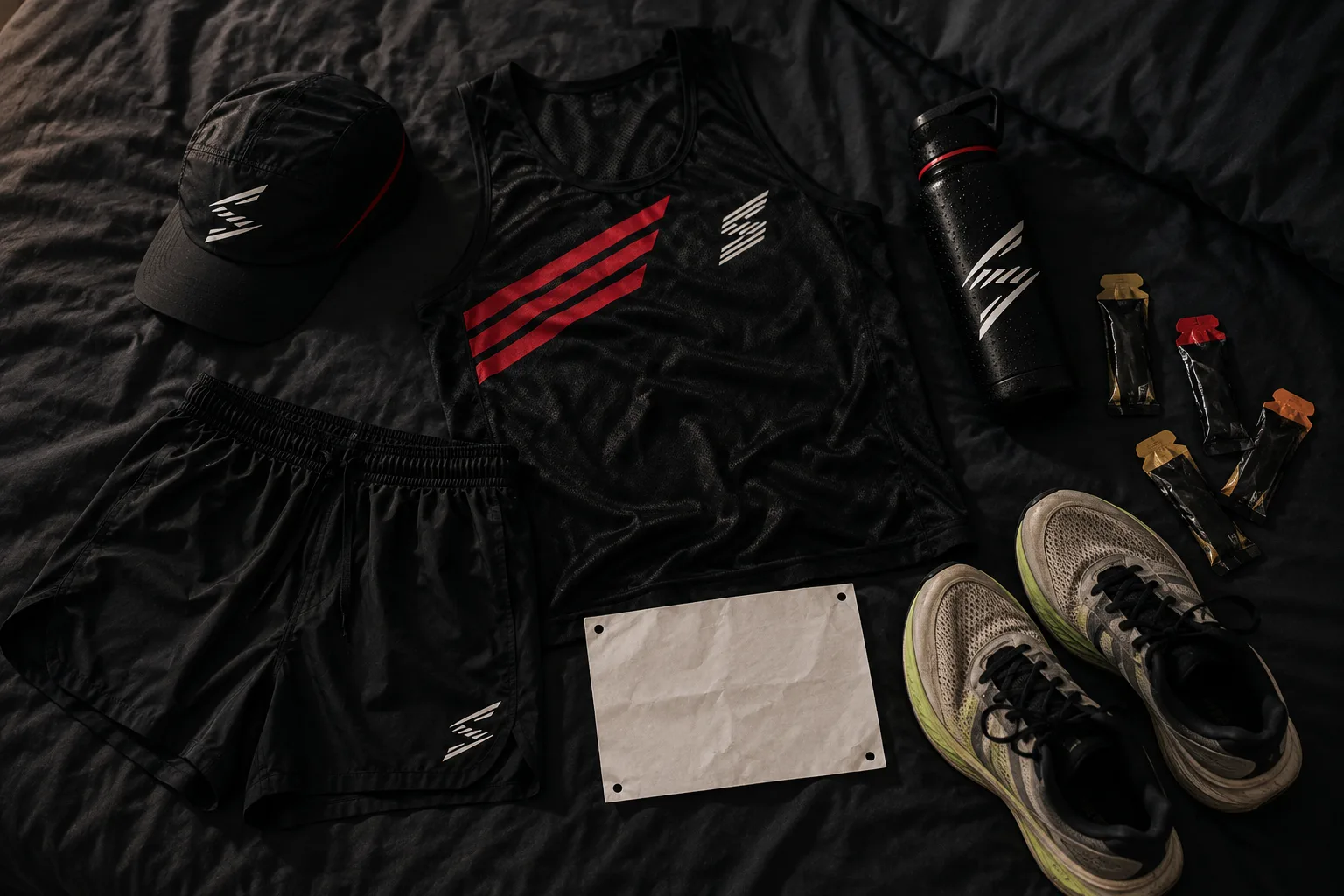
Rehearse. Anything you plan to do on race day should already have been done in training: the shoes, the kit, breakfast, your warm-up, any food or water you will carry.
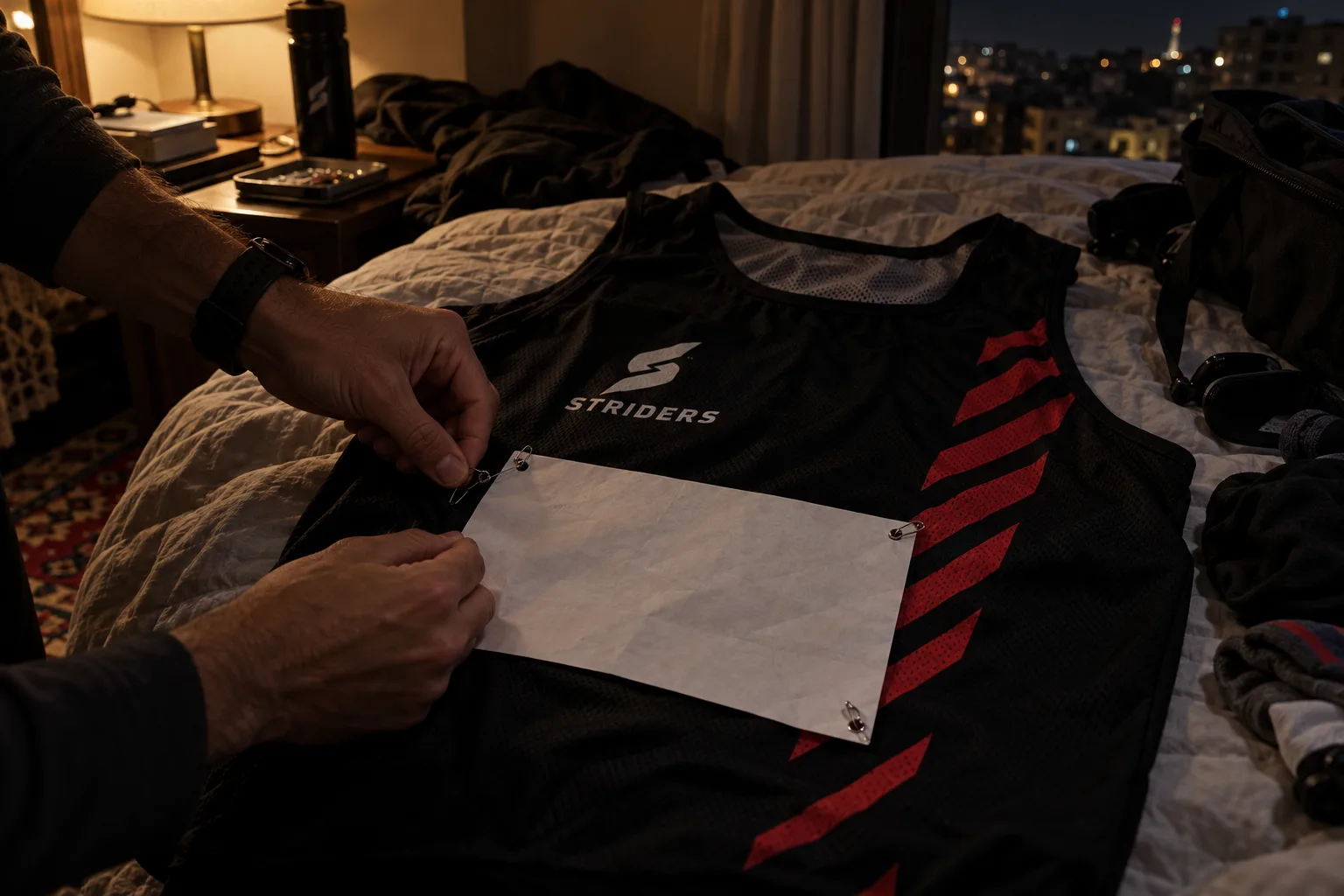
Nothing new on race day is the oldest advice in running, and it is still the best. Our race day checklist walks through the night before and the morning of. Also plan your travel, your start time and where you will meet your friends, so the stress is spent on the run and not the logistics.
On the course, start slower than you feel you could. Early pace feels easy because you are fresh and the crowd is carrying you, and the runners who go out too fast are the ones who suffer in the final third.
How can the club help me get there?
The three weekly sessions cover the main ingredients of race training. Monday’s Open Run at 6:30 pm is easy and open to everyone, which is where easy mileage lives. Wednesday’s track session at 6:30 pm at Al Hussein Sports City is coached intervals in pace groups, for quality work. Saturday’s long run at 6:30 am covers 14 to 25 km on the Dabouq hills, which builds endurance and strength for Amman’s hilly courses.
Training with a group also gives you people to sign up with, which makes race day far more enjoyable. If you want the full set of sessions and plans, see the membership page.
The bottom line
Pick a race that fits where you are, give yourself enough weeks, and build towards it slowly. Check every detail with the organiser for the current year, because dates, distances and rules change. Rehearse everything in training, and keep race day simple.
Whether it is a first 5 km in the city or a longer event by the Dead Sea, the hard part is not the race. It is the weeks of steady, unglamorous running that come before it.
General advice, not medical advice. If pain persists, see a doctor or physiotherapist.