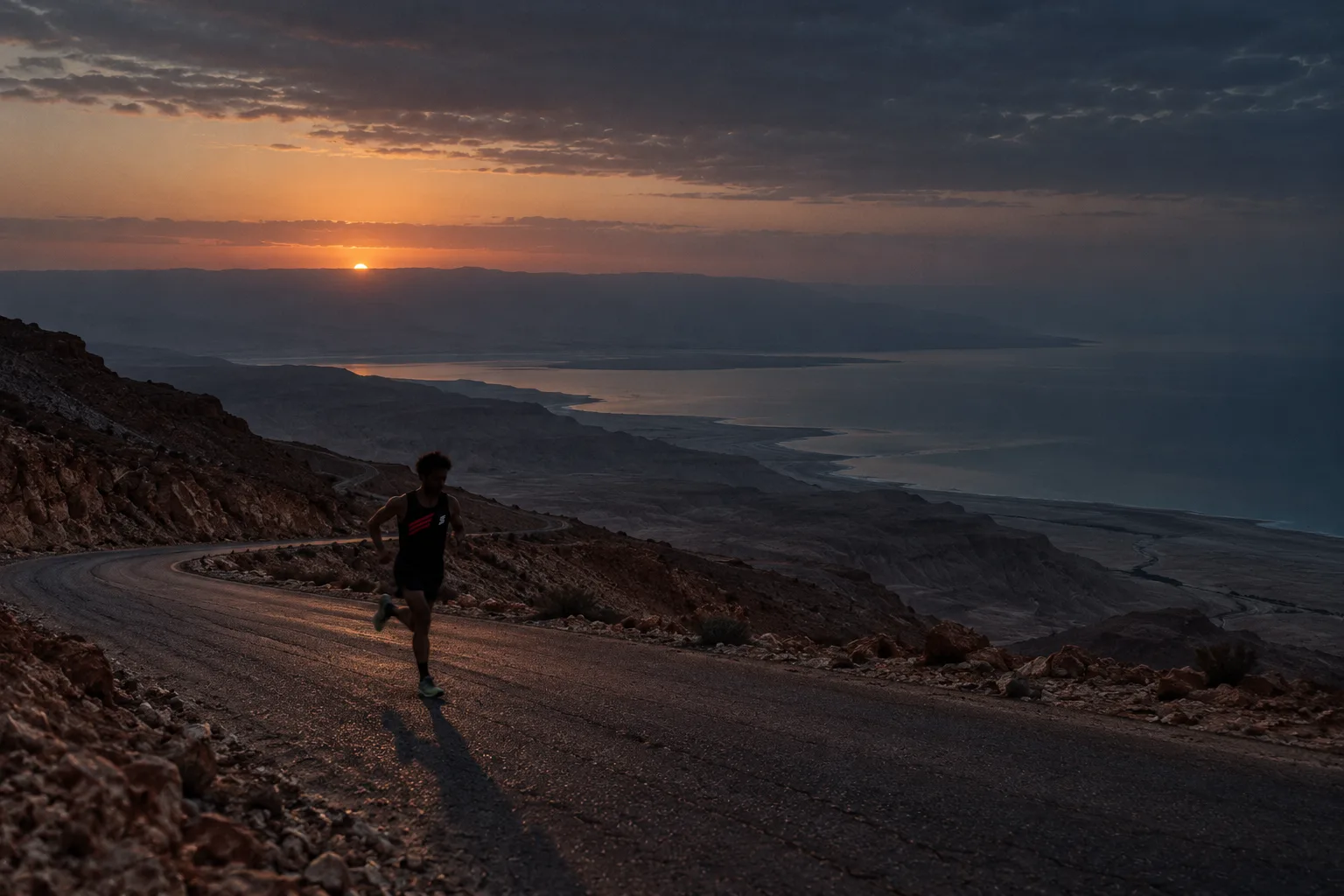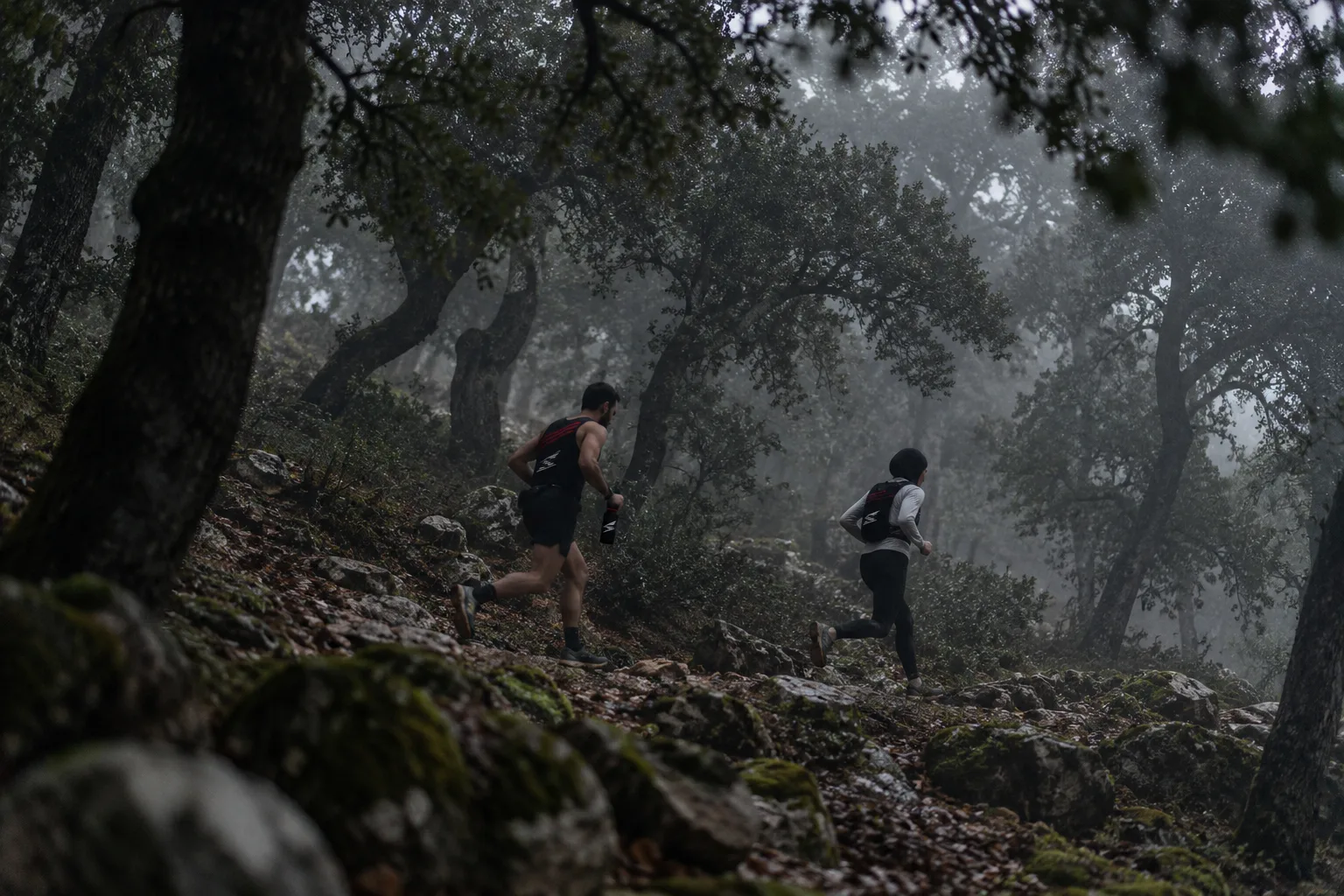
Jordan is a country made for trail running. Beyond the city there are hills, forests, canyons and desert, and a growing number of runners are swapping tarmac for dirt on the weekend. If you have only ever run on roads and the track, the idea can feel like a big jump.
It does not have to be. Trail running is the same activity with a few adjustments to pace, kit and planning. This article covers those adjustments, and it keeps to general advice. We are not describing specific routes, because conditions, access and safety change, and you should always check locally before you go.
What makes trail running different from road running?
The ground. Trails are uneven, with loose stones, roots, ruts, steps and slopes, and that changes almost everything about how a run feels.
- You will be slower than on the road, often a lot slower. That is normal.
- Your ankles, calves and small stabilising muscles work harder to keep you upright.
- You need to look ahead more, because a foot placed carelessly is how people roll an ankle.
- Climbs and descents come in every size, so effort swings around far more than on a flat route.
Think of it as a cousin of road running rather than a copy. Your road fitness helps a great deal, but it does not replace time spent on uneven ground.
Where should I start in Jordan?
Somewhere close, gentle and well used. The most common beginner mistake is jumping straight to a remote, dramatic place because it looks good in photos.
Jordan has famous regions for trail running, such as the Dana area, Wadi Rum and the hills around Ajloun. They are well known for good reason, and they are worth putting on your list. But they are also remote in places, with weather, terrain and heat that need real respect. Before you go to any of them:
- Check current local conditions, access rules and weather.
- Ask people who know the area, including local guides where they exist.
- Go with other runners the first time, not alone.
- Choose a short outing and treat it as a visit, not a performance.
For your first few trail runs, a dirt path or park trail near Amman is plenty. Build the skill there, then go further.
How do I pace myself on a trail?
By effort and by time, never by the pace on your watch. A hill or rocky section can double your minutes per kilometre while your effort stays easy, and that is exactly right.
Use the talk test from our start-easy guide: you should be able to speak in sentences. If you cannot, slow down or walk. Walking the steep parts is standard practice on trails, and plenty of strong runners do it by choice. Our article on hills goes deeper on climbing and descending, and almost all of it applies on a trail.
A useful habit is to plan trail runs by duration. “Go out for 60 minutes” is a better target than “run 10 km”, because you cannot predict how long 10 km of dirt will take you.
What shoes and kit do I need?
Less than you think at the start. Road shoes will do on a smooth dirt path. If you are going to run on rocky or loose ground regularly, trail shoes with a grippy sole and some protection under the foot are worth having. Our shoes and kit guide covers fit and what to look for.
Beyond shoes, carry the basics:
- Water, more than you would take on a road run of the same length.
- Your phone, charged, with the route saved if you can.
- A little food if you will be out for more than an hour or so.
- Sun protection: a hat, sunglasses and sunscreen.
- A light layer, because it can get cold, especially early or late and at height.
How do I stay safe out there?
Most trail problems come from being unprepared, not from the trail itself.
- Tell someone where you are going and when you expect to be back.
- Run with a partner or a group until you know the area well.
- Start early in summer. Heat is a real risk, and our summer heat advice applies even more away from shade and water.
- Turn back if the weather changes, if you are lost, or if you are not sure.
- Slow down on steep, loose or wet ground, especially going down. Control matters more than speed.
If you take a fall or feel pain that does not ease, stop. See a doctor or physio for anything that lingers, and read our note on common running injuries.
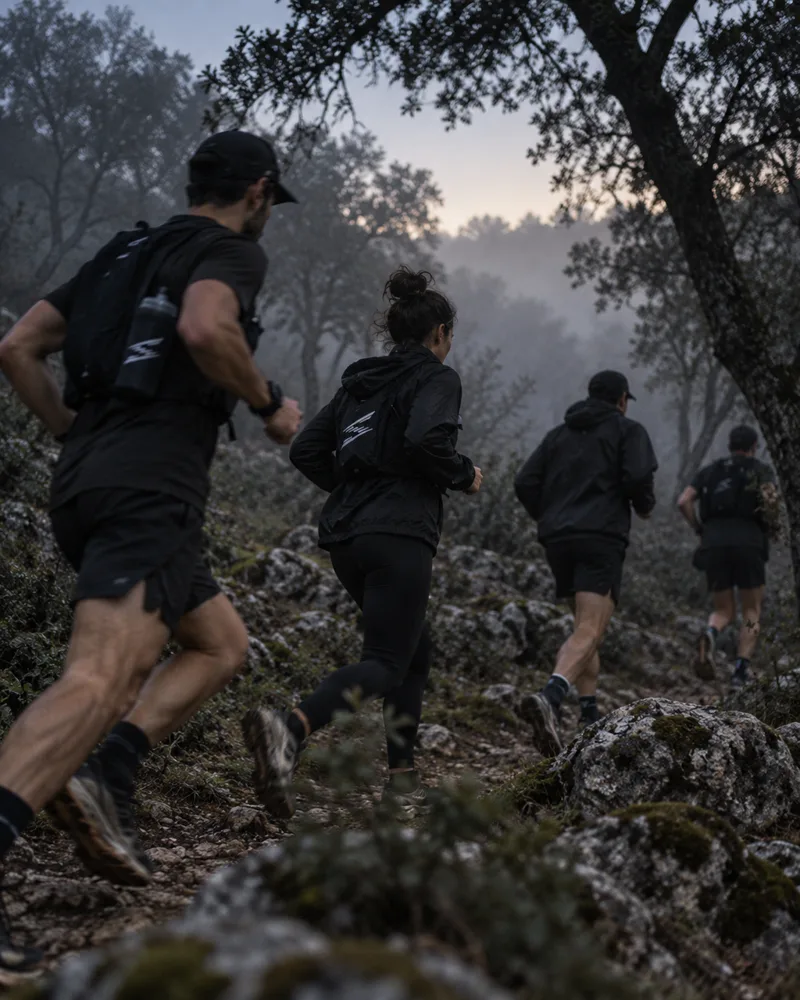
How do I train for trails when I live in Amman?
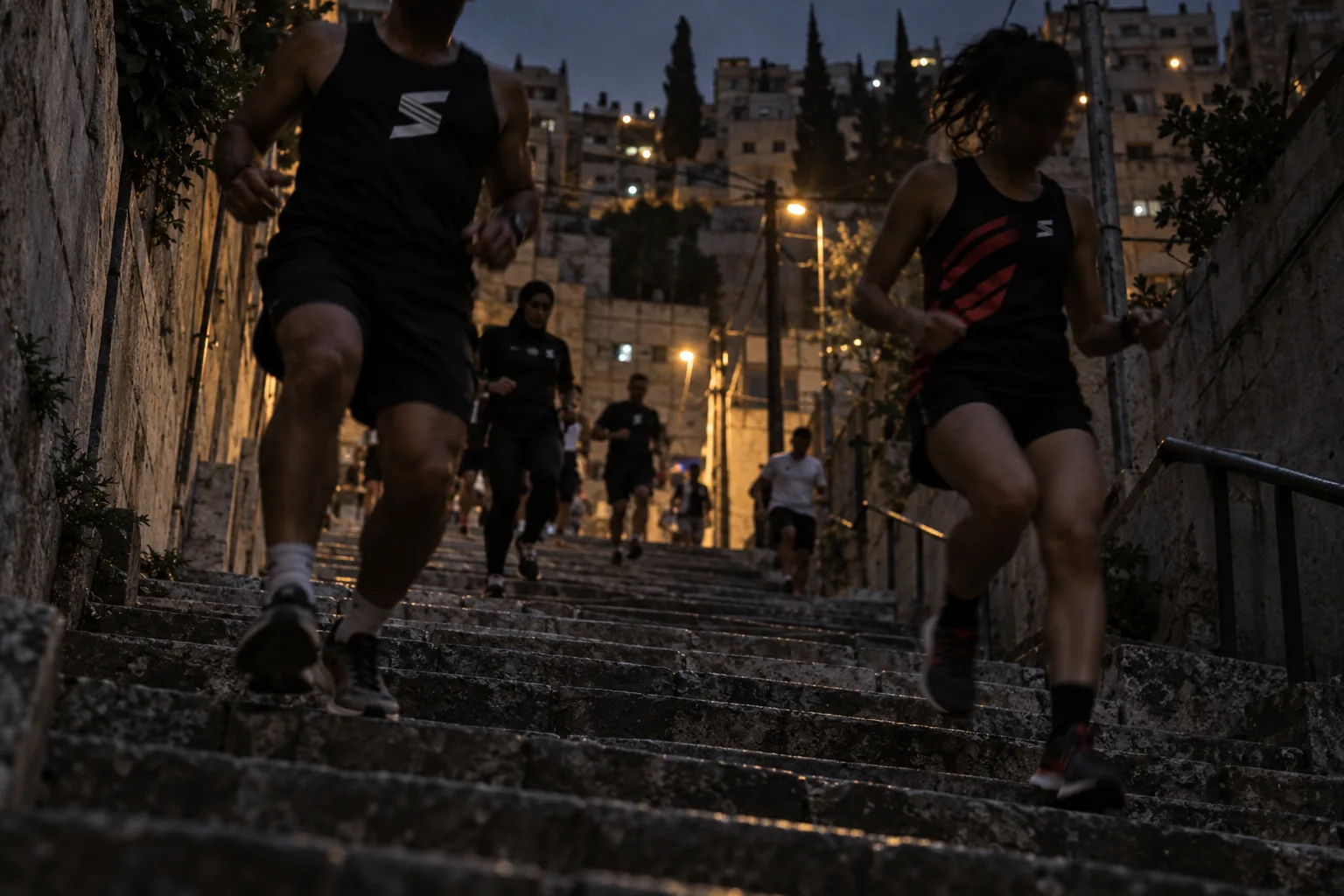
Amman is a good place to start, because the city is already hilly. You do not need to leave town to build most of what trails ask of you.
- Use hills regularly. Run them by effort, as in the hills article.
- Run on softer, uneven surfaces when you can, such as park paths and dirt tracks, and keep the pace easy.
- Add some strength work for ankles, calves, hips and core. It protects you on rough ground.
- Build your time on feet slowly with a long run each week, following the same “add a little at a time” rule as in build slowly.
At the club, Saturday’s long run at 6:30 am covers 14 to 25 km on the Dabouq hills, which is a very good rehearsal for rolling terrain. Monday’s Open Run at 6:30 pm is easy and open to everyone, and it keeps your legs ticking over in between.
The bottom line
Trail running is road running with more attention, more patience and a bit more kit. Go by effort, walk the steep parts, carry water, tell someone your plan, and start close to home before you chase famous places. When you do head to regions like Dana, Wadi Rum or Ajloun, check local conditions and go with company.
Take it one outing at a time. The more time you spend on uneven ground, the more natural it feels, and the more of Jordan you will see on foot.
General advice, not medical advice. If pain persists, see a doctor or physiotherapist.