Many new runners believe that stopping to walk means the run does not count. They push until they are gasping, then they stop, then they feel bad. Some of them quit running altogether because of this idea.
It is the wrong idea. Run-walk is real running, and it is used by beginners, returning runners and plenty of experienced marathoners. This article explains why, and how to do it well.
What is run-walk, exactly?
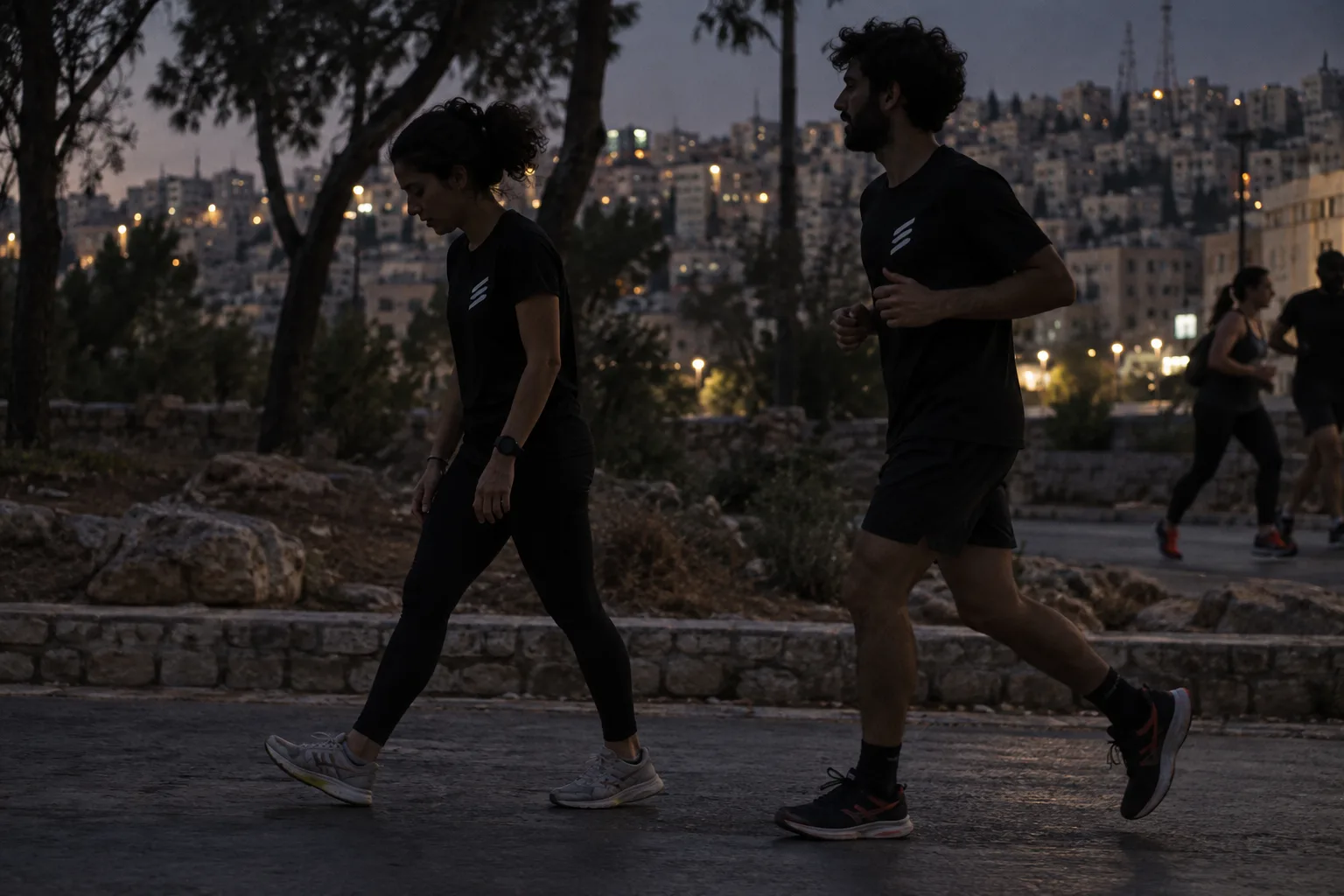
It is a simple pattern: you run for a set time, then walk for a set time, and repeat. For example, one minute of easy running followed by one minute of walking, over and over for twenty or thirty minutes.
The key word is planned. You are not walking because you ran out of energy. You are walking because that was the plan, which means you are in control of the run instead of the run controlling you.
Why does it work?
Because it keeps your effort low enough to last. Running continuously before you are ready makes your heart rate climb, your form fall apart and your confidence drop. A short walk gives your body a chance to settle before the next running piece.
A few things happen as a result:
- You can cover more distance in total than you could by running non-stop.
- You recover during the run, so you finish feeling better.
- Your legs take a bit less impact at a time, which helps while they are still adapting.
- You learn to enjoy the run, and enjoying it is what makes you come back.
Does it count as proper training?
Yes. Your body does not know whether you were running or walking at minute fifteen. It knows that you have been moving for a good length of time at an effort that stressed it gently, and it adapts to that. Plenty of people finish their first race with a run-walk plan and are proud of it.
Counting only non-stop running is a habit, not a rule. The people who stay with running longest are usually the ones who enjoyed it, not the ones who suffered through it.
How do I set the ratio?
Start with a ratio that feels almost too easy.
- Pick an easy running effort where you can still talk.
- Try a short running piece, such as 30 to 60 seconds, with a walk about the same length or a bit longer.
- Repeat for 20 to 30 minutes, with a gentle warm-up first. Our warm-up guide has simple drills.
- Keep the pattern the same for a week or two before changing it.
If the running pieces feel hard, shorten them. If they feel easy, lengthen them slightly or shorten the walks. Use a watch with a repeat timer or a phone app, so you do not have to count in your head.
How do I progress from here?
Slowly, and in one direction at a time. Make the running piece a bit longer, or the walk a bit shorter, but not both in the same week. A natural progression might go from one minute and one minute, to two and one, to three and one, and so on until walking becomes occasional.
You do not have to stop run-walking. Some runners move to continuous running and stay there. Others keep their walk breaks, even for a marathon, because it works. If you are working up to a longer goal, the beginner plan and our guide on building slowly show how to increase load safely.
Can I use it in Amman’s hills and heat?
Absolutely, and it helps a lot. On a climb, walking a steep stretch is often smarter than grinding up it, and plenty of strong runners do exactly that. In hot weather, a walk break gives your body a chance to cool, which makes the whole run safer. Our hills article and summer heat guide both lean on this idea.
How does it work with the club?
Very well. On Mondays at 6:30 pm, the Open Run is easy and open to everyone, so nobody will mind if you walk some of it. Download the app and check in. The group moves at a gentle pace, and you are welcome to run-walk alongside it.
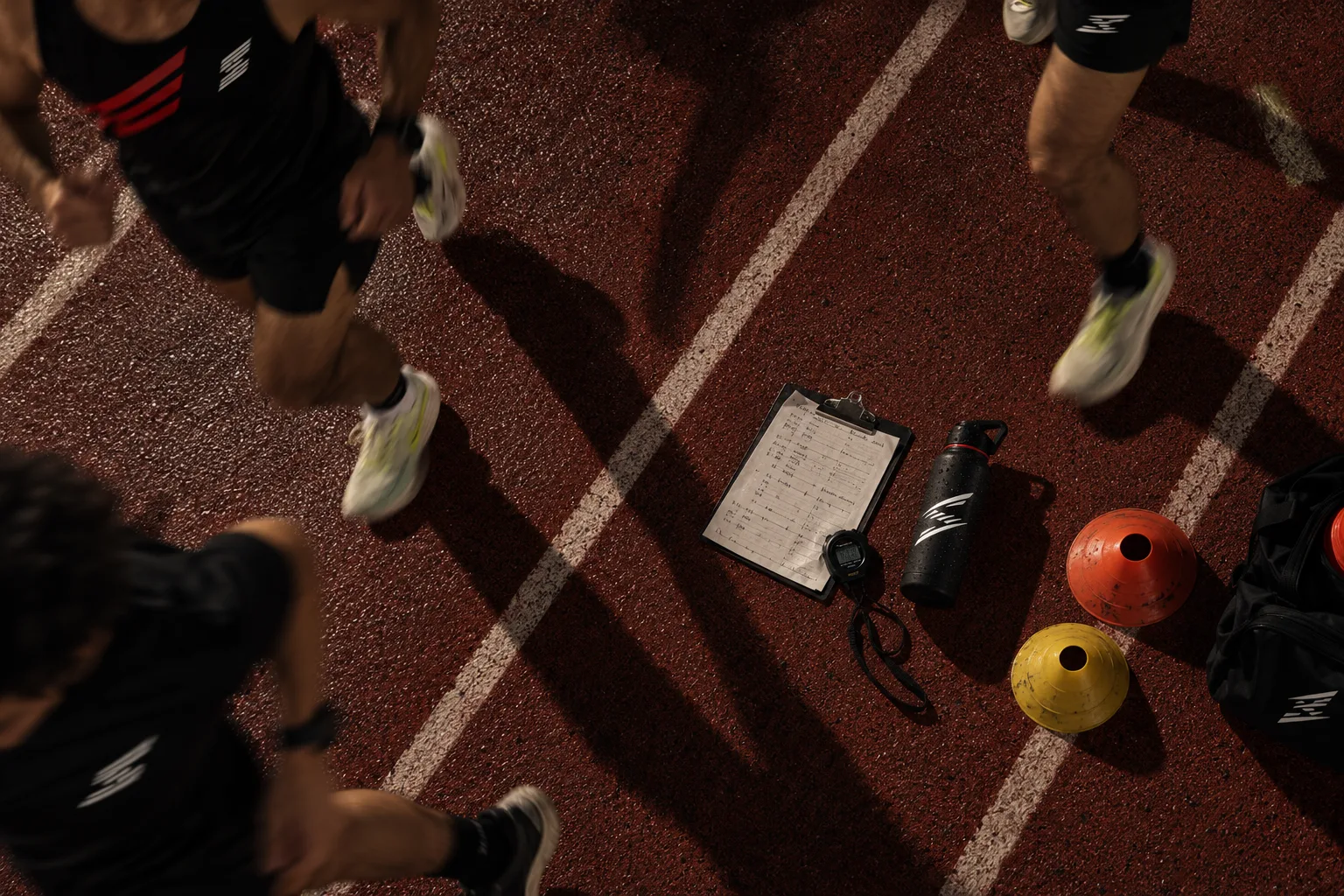
The Saturday long run on the Dabouq hills is also a place where walking steep sections is part of the culture. And on Wednesdays, the coached track session runs in pace groups, so you can find a group that fits where you are.
What mistakes do people make with run-walk?
A few patterns slow people down.
- Waiting to walk until they are exhausted. Walk early, on schedule, and the whole session feels easier.
- Running the running pieces too fast. They should still be easy, so you can talk.
- Walking so slowly that the break feels like a stop. A brisk walk keeps you moving.
- Treating it as temporary and feeling guilty. There is nothing to apologise for.
- Changing the ratio every run. Keep it steady so you can notice progress.
The bottom line
Run-walk is not a lesser form of running. It is a plan that keeps the effort comfortable, helps you recover as you go and lets you enjoy the miles. Pick a ratio that feels easy, stick with it for a couple of weeks, then change one thing at a time.
If you have been feeling bad about walking, you can stop now. You are running.
General advice, not medical advice. If pain persists, see a doctor or physiotherapist.